



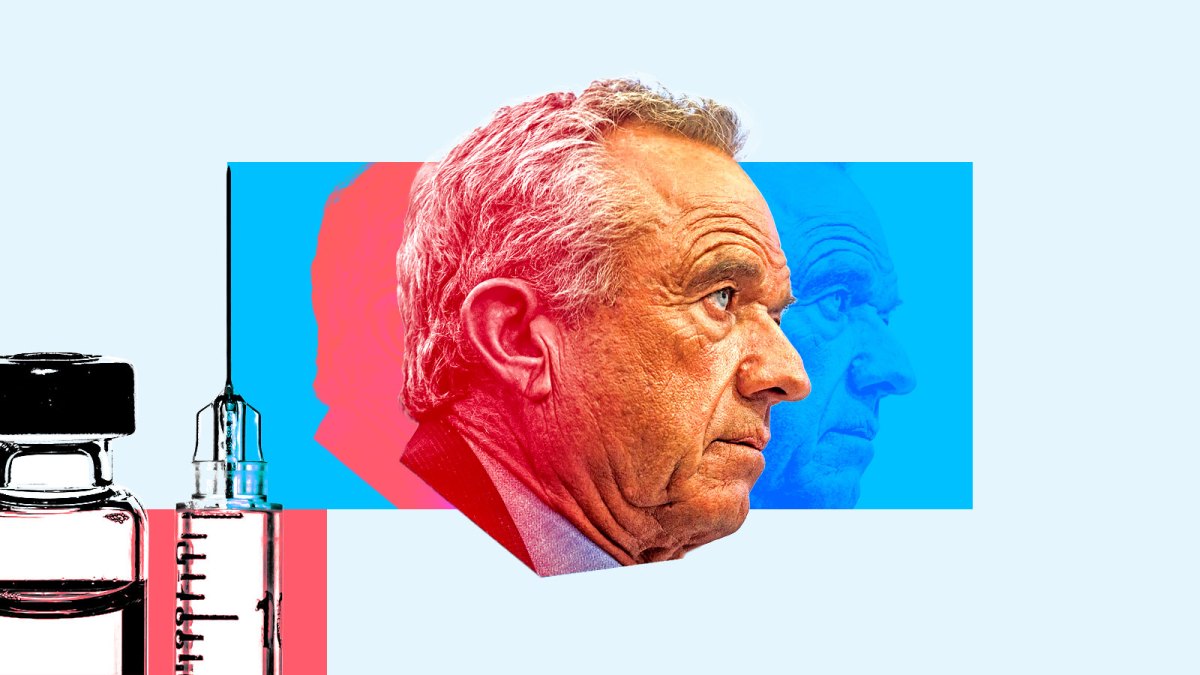
At the CDC’s Building 21 in Atlanta, employees are adopting survival strategies to cope with a tense atmosphere following the mass firings of over 10,000 staff since Robert F. Kennedy Jr. became health secretary. Workers avoid Zoom meetings out of fear of surveillance, discuss sensitive topics in soundproof offices, and jot down notes by hand instead of using computers.
Kennedy’s reforms have reshaped health priorities and disrupted longstanding scientific norms, leading to the cancellation of many research programs deemed “woke.” Former employees express concerns about the health implications of these changes, particularly regarding vaccine policies and chronic disease prevention initiatives. Kennedy’s dismissal of the advisory committee on immunization practices has drawn criticism, with experts warning that this could politicize vaccines and endanger public health.
Firing experienced staff has created chaos within agencies like the FDA and NIH, causing delays in inspections and research programs. While Kennedy claims his initiatives aim to improve efficiency, insiders note that new bureaucratic layers have emerged, undermining his stated goals. Amid this upheaval, employees express uncertainty about their future, with many feeling disillusioned by the current anti-science direction of the administration.
Despite the push for reform, there are rising concerns that the cuts and disruptions are detrimental to public health, leading to a sense of anxiety and hopelessness among remaining staff.
