



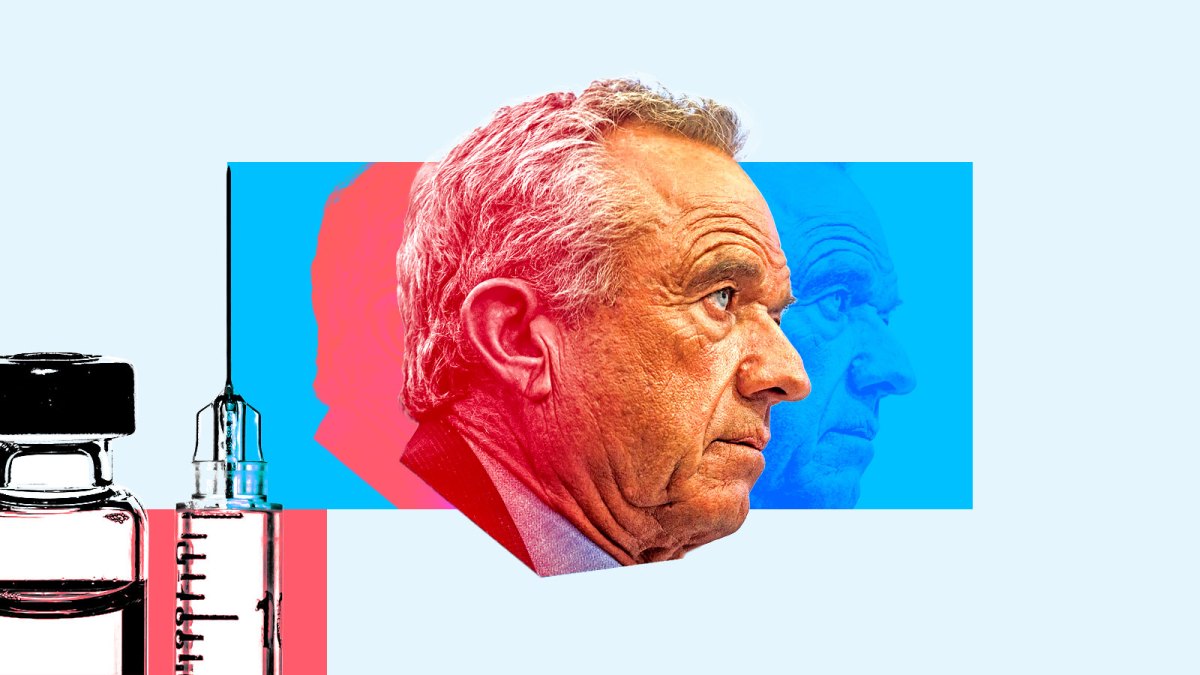
At the CDC headquarters in Atlanta, employees now operate under a climate of fear and suspicion following drastic changes initiated by recently appointed Health Secretary Robert F. Kennedy Jr. His administration has overseen the firing of over 10,000 experienced staff, causing chaos and uncertainty among remaining employees. Many have adopted a “low profile” strategy, avoiding Zoom meetings and discussing sensitive topics in soundproof rooms to prevent being monitored by officials from the Department of Government Efficiency (Doge).
Kennedy’s reforms, aimed at “making America healthy again,” have faced backlash for dismantling longstanding scientific norms and canceling vital health programs. Insiders report that critical initiatives, such as chronic disease prevention and safety inspections at the FDA, have been severely impacted by personnel cuts and bureaucratic inefficiencies. Critics, including former committee members, warn that the changes threaten public health and may politicize vital vaccine policies.
While Kennedy’s supporters argue that his initiatives will streamline government and promote transparency, many current and former employees express deep concern about the implications for health research and public welfare. There is speculation about who truly directs health policy, with some suggesting that other officials may wield significant influence over Kennedy’s agenda. As anxiety and uncertainty persist among staff, the potential fallout for American health remains alarming.
