



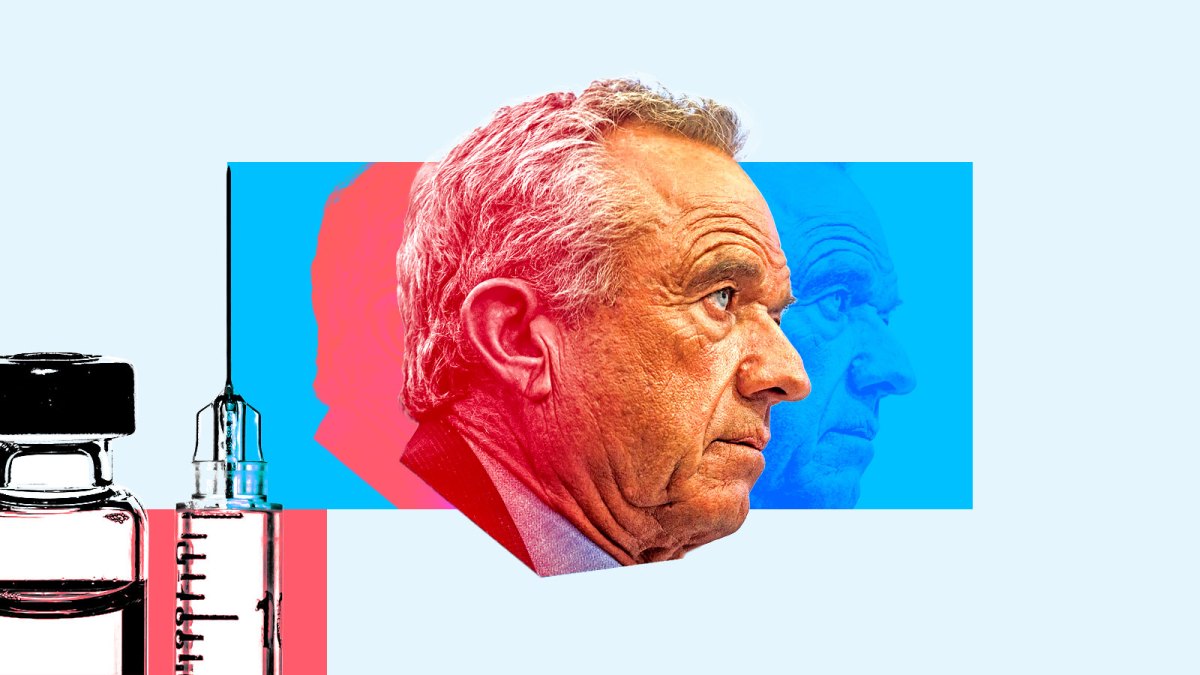
At Building 21 of the CDC in Atlanta, workers adopt a low-profile approach, fearing surveillance from officials of the Department of Government Efficiency (Doge) under Health Secretary Robert F. Kennedy Jr. Since his appointment, over 10,000 experienced employees have been dismissed, leading to a chaotic environment where regulations and scientific norms are being disrupted, and essential health programs are being canceled.
Kennedy’s agenda, intended to overhaul U.S. health priorities, has provoked deep concern among remaining staff, as they witness the dismantling of programs critical for chronic disease prevention and a shift towards outdated practices, particularly in vaccine policy. His dismissal of the advisory committee on immunization practices has raised alarms about the politicization of vaccines and potential public health ramifications.
Kennedy’s proposed initiatives, like the “Generation Gold Standard” program, are criticized as regressive and inadequately supported by scientific oversight. Insufficient funding and staff shortages have further compromised safety inspections at agencies like the FDA, increasing risks in public health.
Amidst these developments, many employees express disillusionment and anxiety, fearing the long-term impact on public health in the U.S. The sense of instability and loss of scientific integrity prevails in a transitioning health system seen by insiders as potentially harmful.
