



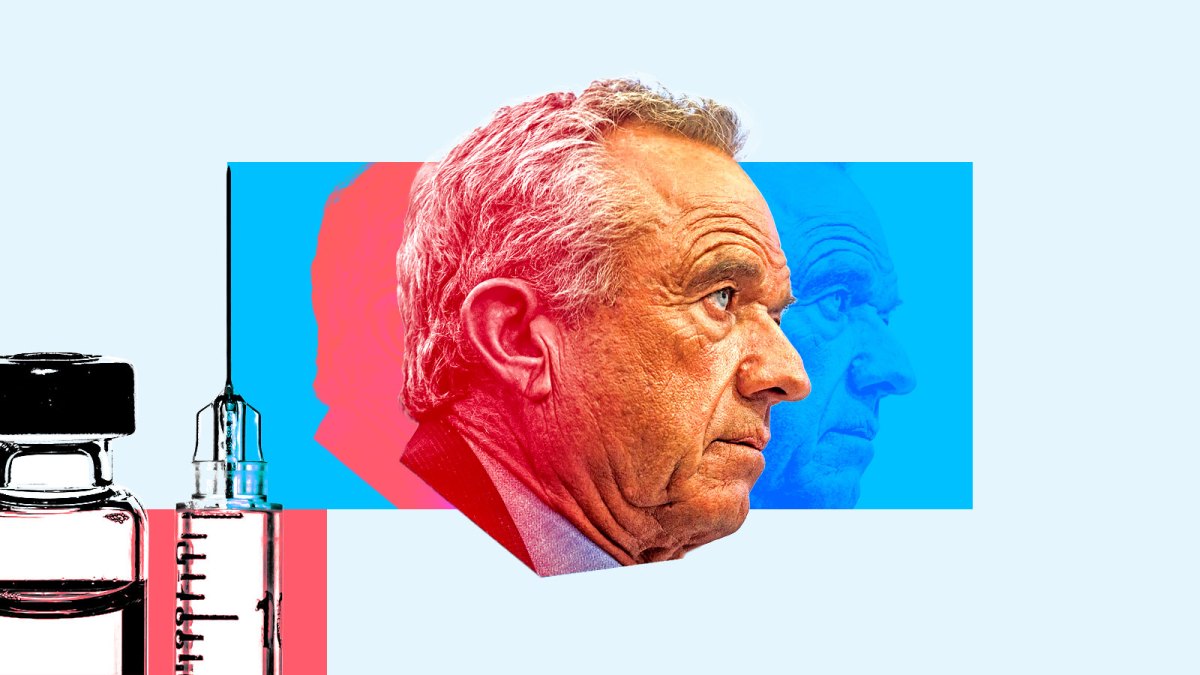
At the CDC headquarters in Atlanta, workers have resorted to evasive measures to navigate a tense atmosphere marked by fear and paranoia since Robert F. Kennedy Jr. became health secretary in February. Over 10,000 experienced staff have been fired, causing upheaval and chaos among remaining employees. Many believe the appointments by Kennedy and the Department of Government Efficiency (Doge) reflect a significant shift in health priorities, undermining longstanding scientific norms and resulting in the cancellation of numerous research programs deemed “woke.”
Kennedy’s controversial reforms, particularly in vaccine policy, have drawn criticism. He dismissed all members of the advisory committee on immunization practices, aiming to restore confidence in vaccine science, yet many experts fear this politicization could jeopardize public health. His proposed changes direct funding toward outdated vaccine technologies, raising alarm among scientists who assert that this retrogression undermines advances made with mRNA technology.
Several critical health programs, including the CDC’s childhood lead-poisoning prevention initiative, have been shuttered, exacerbating public health concerns. With ongoing layoffs and funding restrictions crippling the FDA and CDC’s capability to enforce food safety and implement vital health research, insiders predict serious repercussions for American health standards.
The chaos under Kennedy’s leadership raises questions about who truly influences government health policies, with some speculating that other Trump appointees may be driving reforms instead. For those still working in the system, anxiety and uncertainty reign, threatening to compromise the effectiveness of public health initiatives both domestically and internationally.
