



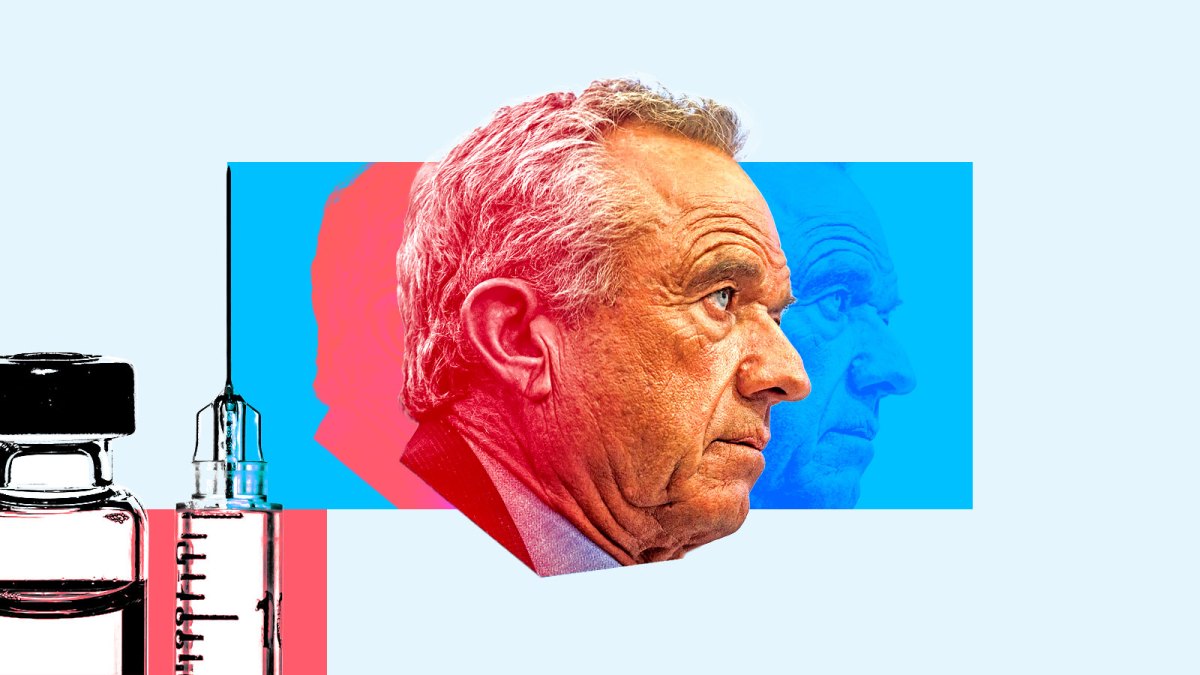
At the CDC headquarters in Atlanta, staff members are operating under a climate of fear and paranoia since Robert F. Kennedy Jr. became health secretary. Over 10,000 experienced employees have been fired, leading to chaos and dysfunction across major health institutions, including the FDA and NIH. Conversations are minimized, Zoom meetings avoided, and discussions about sensitive topics are held in soundproof offices.
Kennedy’s reforms have reportedly disrupted scientific norms and canceled numerous research programs deemed “woke.” Staff are struggling with extreme budget cuts, resulting in scavenging supplies from the offices of sacked colleagues. Kennedy’s controversial changes include the firing of a long-standing vaccine advisory committee, asserting he aims to regain public confidence in vaccine science.
Many insiders fear these actions will harm public health, as vital programs—like lead-poisoning prevention—are being dismantled. Critics describe Kennedy’s leadership as anti-science, claiming it politicizes important health measures. Alongside these changes, bureaucratic red tape has increased, hindering operational efficiency at organizations meant to safeguard public health.
Staff who remain are increasingly anxious, facing uncertainty and instability that could have severe consequences for health outcomes in the U.S. As former employees grapple with the impact of the changes, many express disillusionment with an administration they view as fundamentally at odds with scientific integrity and public health priorities.
