



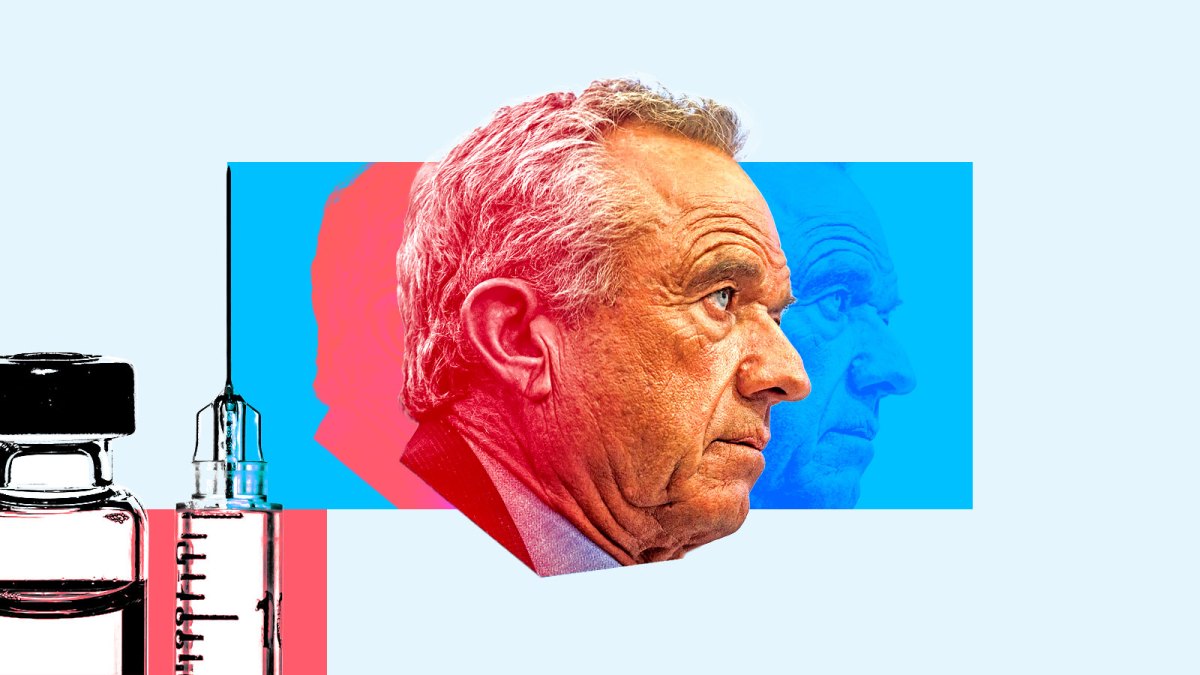
At the CDC headquarters in Atlanta, workers are adopting a low-profile approach amidst fears of surveillance following significant staffing changes since Robert F. Kennedy Jr.’s appointment as health secretary. Over 10,000 experienced staff have been fired, creating a tense atmosphere where employees avoid Zoom calls and discuss sensitive topics only in soundproof offices. Many report feeling constantly monitored by officials from the Department of Government Efficiency (Doge), with a source noting, “We’re counted when we swipe our badges.”
Kennedy’s reforms have drastically altered health priorities, disrupting longstanding research initiatives perceived as “woke,” leading to concerns that America’s health system is deteriorating. Critics within the CDC, FDA, and NIH described scenes of chaos, with vital programs like chronic disease prevention shutting down. They argue that bureaucratic layers have increased rather than streamlined processes, complicating operations.
Kennedy’s controversial crackdown on vaccine policies involved the firing of an entire advisory committee, which has alarmed experts about the politicization of public health decisions. Previous guidelines for vaccine recommendations, particularly regarding pregnant women and children, have been reversed, raising fears about the ramifications for public health.
Despite claims of necessary reforms, insiders warn that the current administration is dismantling vital health infrastructures. Initiatives like a lead-poisoning prevention program have been closed, and staffing shortages in inspection agencies threaten food safety. The overall atmosphere remains one of anxiety and uncertainty, with many employees doubting the ability of Kennedy’s administration to effectively lead.
Amidst this turmoil, sources question who truly controls national health policy, speculating that other Trump appointees may exert greater influence. Many employees express resistance toward returning to what they view as an anti-science environment, emphasizing the potential harmful consequences for public health both domestically and globally.
