



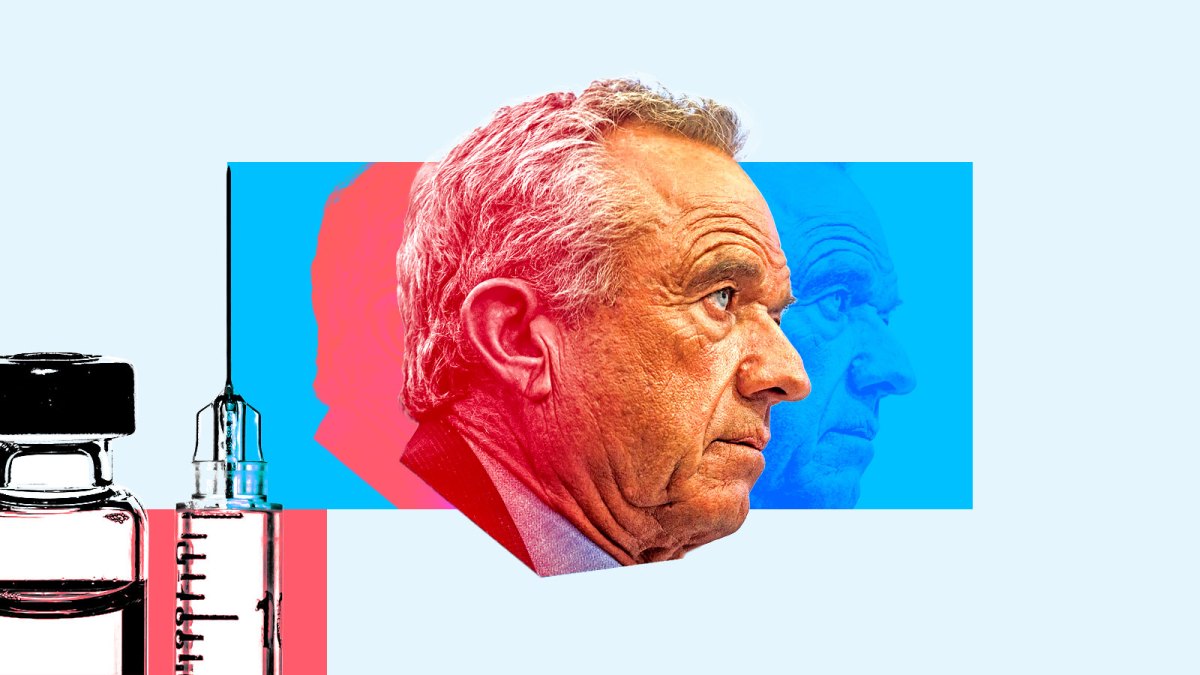
At the CDC headquarters, staff have adopted a low-profile approach to navigate fears of surveillance and job security after over 10,000 employees were fired under health secretary Robert F. Kennedy Jr. Since his appointment, significant disruption has occurred, with long-standing scientific norms challenged and numerous research programs canceled due to perceived “wokeness.” Many employees feel a constant sense of being watched, with the Department of Government Efficiency (Doge) exerting an omnipresent influence.
Kennedy’s reforms have been met with skepticism, with insiders claiming they threaten public health rather than enhance it. The firing of the advisory committee on immunization practices raised alarm over the politicization of vaccines, and decisions made without scientific input have sparked concerns about the repercussions for public health.
Kennedy’s vision promotes improvements in health infrastructure but has resulted in the dismantling of key programs, such as childhood lead-poisoning prevention. Staff are struggling with increased bureaucratic hurdles and resource shortages, raising fears of deteriorating health oversight. As some former employees express reluctance to return to an anti-science administration, remaining staff face uncertainty and anxiety about the future of American health initiatives.
