



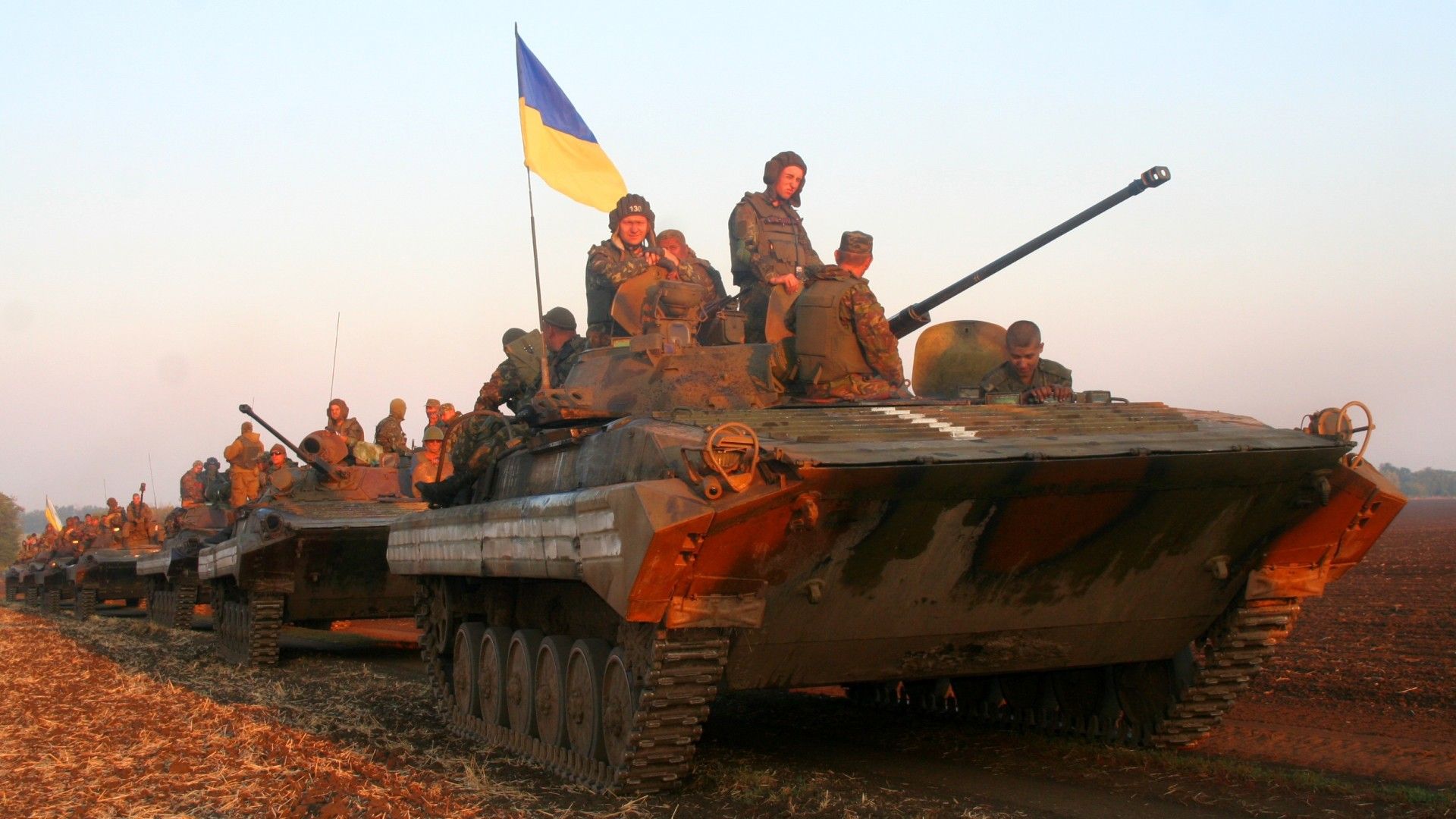
On February 24, 2022, Russia’s invasion of Ukraine marked a significant turning point in both geopolitical dynamics and Russian information warfare tactics. The anticipated swift victory in the information domain quickly unraveled, revealing weaknesses in Russia’s disinformation machinery. Traditionally, Russian strategies viewed the information sphere as central to national security, relying on coordinated influence campaigns. However, the Ukrainian response, characterized by real-time, credible communication and resilient leadership, thwarted Russian narratives.
Consequently, Russia faced a dual challenge: domestic censorship efforts intensified legal controls aimed at punishing dissent, while external pressures from Western tech platforms restricted traditional propaganda channels. In response, Russia diversified its influence strategies, using smaller platforms and regional proxies, particularly on apps like Telegram, to disseminate disinformation.
Simultaneously, Russia integrated cyber operations with disinformation campaigns, using digital tactics to generate chaos and distrust among the public. Although early attempts at creating deepfakes were subpar, they indicated a shift toward utilizing artificial intelligence to amplify false narratives.
Ultimately, the war prompted a reorganization of Russia’s information operations into a more complex, hybrid model that combines domestic repression and diversified external campaigns. While this adaptation enhances operational flexibility, it also exposes new vulnerabilities to countermeasures and undermines long-term credibility. The evolving information landscape confirms the central role of disinformation in Russia’s geopolitical strategy.
