



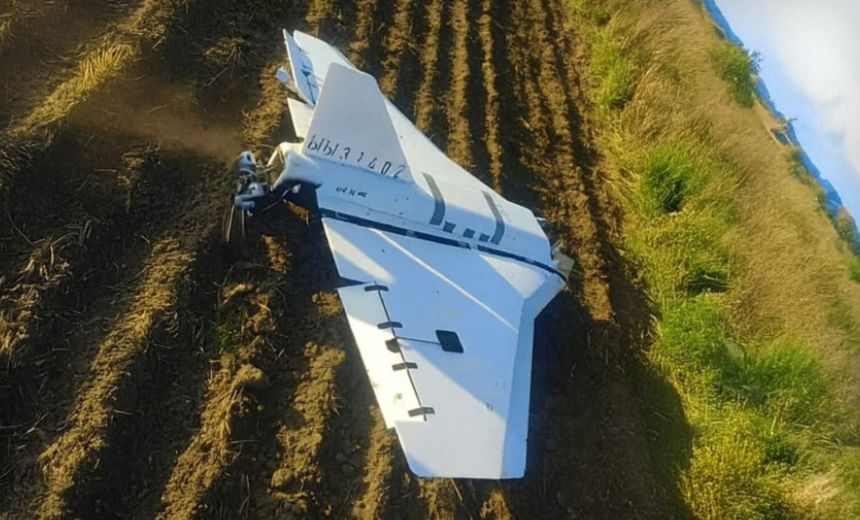
The article discusses the rapid response of pro-Kremlin disinformation groups following recent Russian drone incursions into Polish airspace. Threat researchers at Google Cloud reported that various information operations teams quickly advanced narratives aimed at denying Russia’s responsibility for the incursions and framing them as politically motivated actions by Poland and NATO. The efforts aimed to weaken Polish citizens’ trust in their government and diminish support for Ukraine, mirroring official Kremlin lines that downplayed the incursions.
From September 9 to 10, at least 19 Russian drones violated Polish airspace, prompting NATO’s defense activation. Ukraine’s intelligence suggested these hybrid operations intended to test NATO’s resolve and apply pressure on Western support for Ukraine. Reports also highlighted ongoing drone incidents in other NATO countries, underscoring a pattern of Russian provocations.
The article identifies three specific pro-Moscow information operations teams: Portal Kombat, which promotes a pro-Russian narrative; Doppelganger, which downplays the threats from the drones; and NDP, a publication known for anti-NATO disinformation. These campaigns utilize tactics described as “4D”—dismiss, distort, distract, and dismay—to complicate the public’s understanding of threats and promote Moscow’s strategic objectives. The European Parliament condemned the airspace violations as part of systematic military provocations against the EU.
