



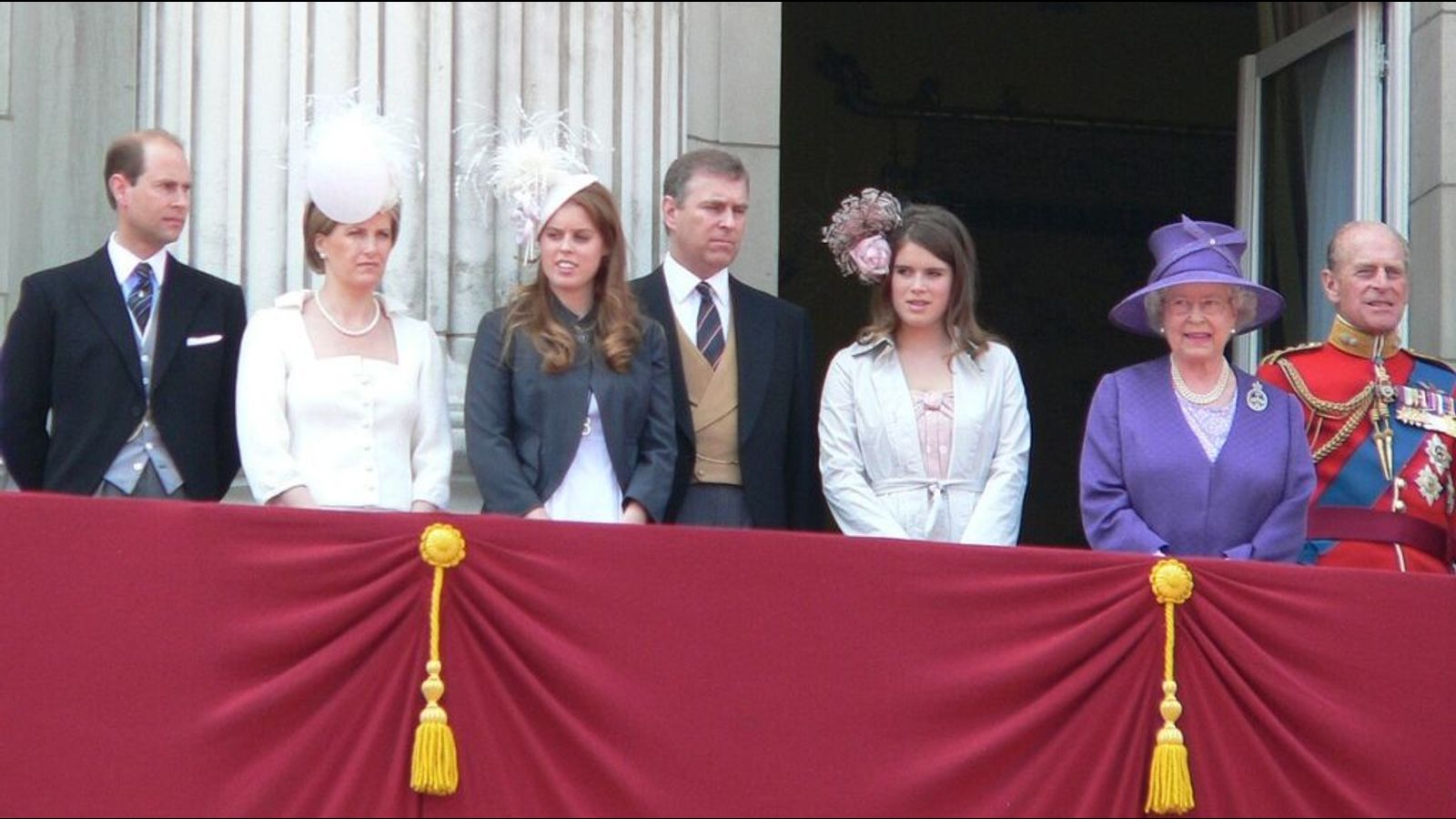
The article discusses the significant crisis facing Britain’s constitutional monarchy following the arrest of Andrew Mountbatten-Windsor, the former prince and ex-Duke of York, in connection with Jeffrey Epstein’s child sex trafficking case. The ongoing investigation raises concerns about the knowledge and involvement of the entire Royal Family and successive British governments regarding Andrew’s activities. Allegations against him include participation in sex parties and misuse of his royal position while serving as UK trade envoy, where he also shared confidential information with Epstein.
King Charles III responded to Andrew’s arrest by distancing himself and asserting that “the law must take its course.” However, the article argues that Andrew has been protected by the palace historically, and evidence suggests complicity from the monarchy. The crisis’s scale echoes past political upheavals, with comparisons made to the trial and execution of Charles I.
The implications of this scandal may extend beyond royal scandals to broader issues of British imperialism and the role of the monarchy in perpetuating class inequality. The article warns of potential investigations into other high-profile figures connected to the case, hinting at a broader web of corruption affecting class structures in the UK. Overall, this situation reflects a significant deterioration in the monarchy’s public image, similar to past crises faced by the institution.
