



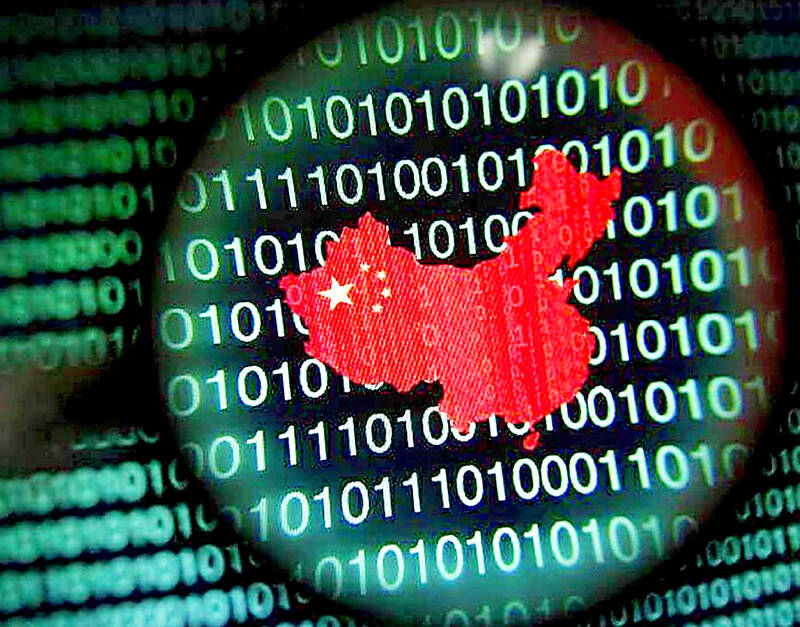
BROAD CAMPAIGN: Beijing has established a government-civilian partnership model for disseminating disinformation in Taiwan, as detailed in a National Security Bureau (NSB) report.
Taiwan’s national intelligence community identified 45,590 fake online accounts in 2025, up from 28,216 in 2024. The Chinese Communist Party is employing these fake accounts as part of cognitive warfare to influence Taiwanese opinions on “unification.” The NSB report, titled Analysis of China’s Cognitive Warfare Tactics Against Taiwan in 2025, outlines China’s strategic objectives and five key tactics.
China aims to create skepticism towards the US and Taiwanese authorities while generating emotional responses to current events. In 2025, over 2.314 million disinformation pieces were recorded, an increase from 2.159 million in 2024. The NSB noted that more than 3,200 disinformation incidents were reported, enabling real-time intervention.
China’s four main goals include creating internal divisions in Taiwan, diminishing resistance to Chinese influence, swaying allies, and garnering support for its stance on Taiwan. To achieve these aims, it employs a collaborative model involving various organizations and five tactics:
-
Data Collection: Chinese IT companies, in collaboration with government entities, gather personal data on Taiwanese political figures to tailor propaganda.
-
Disinformation Channels: China uses fake websites and content farms to spread misinformation.
-
Internet Influence Operations: An “Internet water army” generates pro-Chinese comments across numerous platforms.
-
AI and Automation: Chinese firms deploy AI for data collection and targeted video generation, enhancing disinformation dissemination.
-
Cyber Attacks: During military exercises, hackers accessed accounts on Taiwan’s bulletin boards to spread false narratives.
China’s cognitive warfare is expanding beyond Taiwan to include global democratic nations. The NSB is actively countering these efforts through security dialogues and collaborations with international partners, focusing on fact-checking and minimizing the impact of misleading information in Taiwan.
