


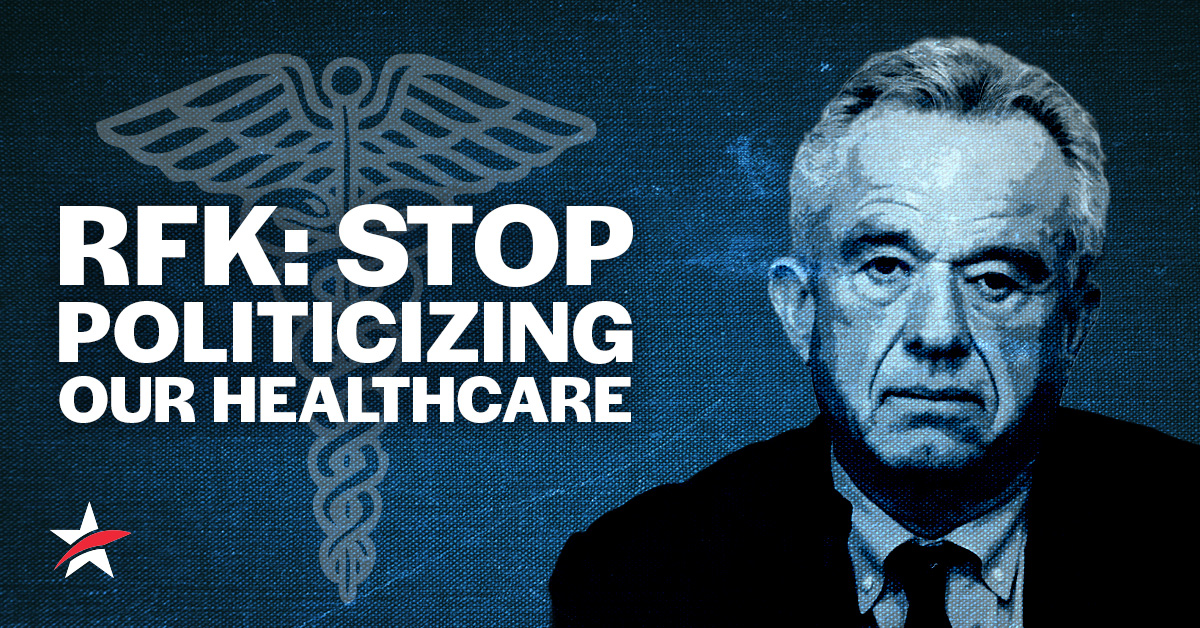
Health and Human Services Secretary Robert F. Kennedy, Jr. has garnered significant attention for his “Make America Healthy Again” (MAHA) agenda, appealing to those frustrated with corporate control over food and health systems. However, his record suggests a different approach, as he often supports policies that benefit corporations rather than public health.
-
Deregulatory “10-to-1” Policy: Kennedy’s commitment to a “10-to-1” policy allows for the elimination of ten regulations for every new rule, inviting corporations to suggest which regulations to cut. This undermines health protections.
-
Fast-Track Voucher System: The FDA, under Kennedy, introduced a voucher system allowing companies to expedite product reviews. Concerns arise as Kennedy has questioned established health measures like vaccines, and staff cuts at the FDA raise doubts about the thoroughness of evaluations.
-
Closed-Door Listening Tours: Kennedy’s approach prioritizes pharmaceutical and biotech CEOs through exclusive listening tours, sidelining the voices of patients and healthcare professionals. This lack of transparency favors corporate interests.
-
Deregulating Food Industry: A leaked MAHA report indicates Kennedy’s FDA plans to reduce food safety regulations, shifting responsibility to voluntary compliance from companies, which experts warn may increase public health risks.
-
Financial Conflicts: Kennedy has profited from anti-vaccine lawsuits, earning $2.5 million from a firm suing Merck over the HPV vaccine, which is endorsed by major health organizations. This raises concerns about his commitment to public health.
In conclusion, while Kennedy positions himself as an adversary of corporate power, his actions indicate otherwise, as his policies may compromise public health. His financial interests and history of promoting anti-science views further complicate the trustworthiness of his agenda. Ultimately, his approach risks increasing corporate influence in healthcare rather than protecting the public interest.
