



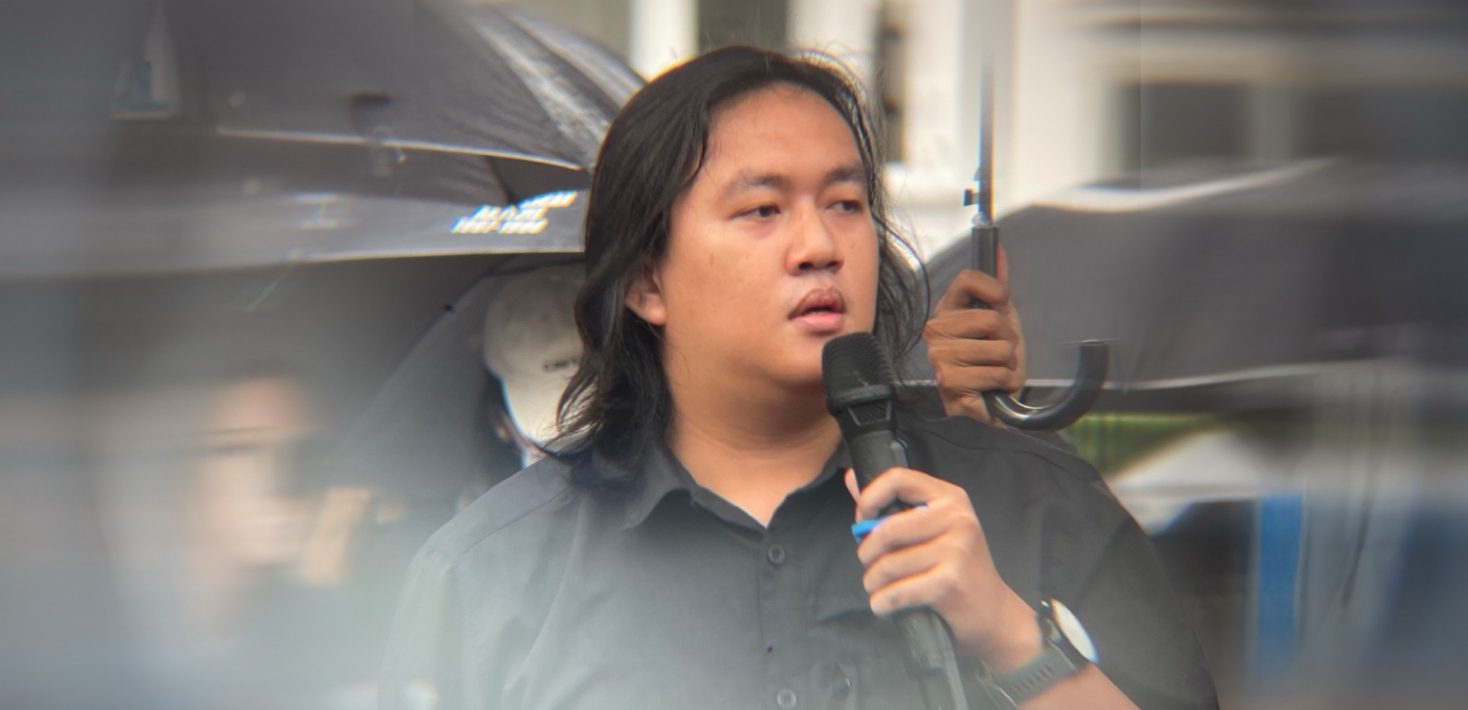
The acid attack on Andrie Yunus, a human rights defender and deputy coordinator of KontraS, highlights Indonesia’s troubling deviation from reformasi ideals. This incident is particularly alarming due to its blatant nature, occurring in a public space in Jakarta, and suggests an organized effort to instill fear among those opposing the government.
Andrie is not alone; many Indonesian activists have faced intimidation, yet this attack signals a potential resurgence of New Order-style fascism. Under President Prabowo, there has been a troubling consolidation of state control and military influence in civilian affairs, reminiscent of the authoritarian practices during Soeharto’s rule.
The current political climate, marked by heavy criticism of NGOs and activists as unpatriotic, echoes fascist ideologies aimed at suppressing dissent. With no mass-based progressive movements to counter this, activists like Andrie find themselves increasingly isolated and vulnerable to state-sanctioned violence.
Given Andrie’s prior activism against the military’s expanding role, the attack appears not to be random but possibly orchestrated to silence a significant critic. His case reflects broader patterns of intimidation against civil society, suggesting that the struggle for democracy in Indonesia is becoming increasingly dangerous, evoking fears of a return to entrenched, fascistic autocracy.
