


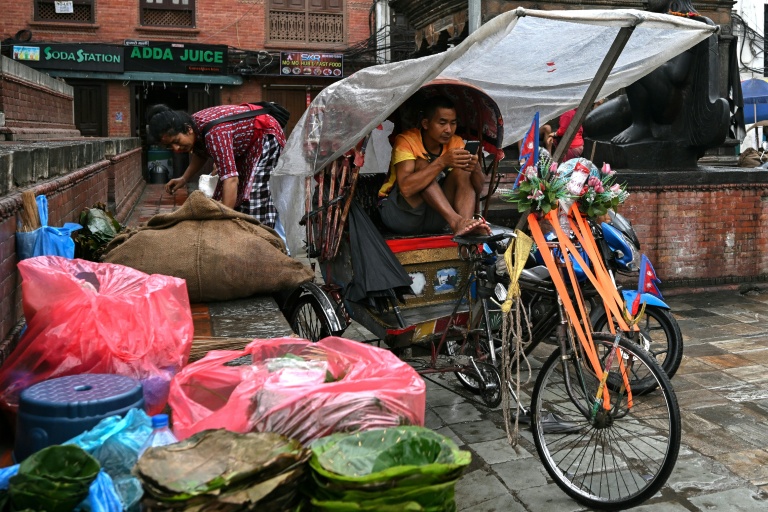
Slick AI-generated disinformation is inundating election campaigns in Nepal, which votes for the first time since protests in September 2025 led to the overthrow of the government following a social media ban. The protests were fueled by tech-savvy youth upset with job shortages and corruption among the aging political elite. As parties utilize social media to attract young voters, experts warn that much of the content is manipulated or false. With low digital literacy, individuals in Nepal often believe what they see online, making the situation dire.
Around 80% of internet traffic in Nepal comes from social media, with over half of the population online. The proliferation of disinformation threatens the integrity of the electoral process, raising concerns about its impact on democracy. The government briefly banned 26 platforms during the protests, which resulted in significant unrest and casualties. Social media is again influential, with AI-generated content being used to misrepresent political gatherings and statements.
The Election Commission reported widespread disinformation, including deepfakes and hate speech, with many cases referred to authorities but struggling to keep pace with the volume of misleading information. Experts caution that misinformation is not only rampant but undermines citizens’ ability to make informed decisions, jeopardizing the foundations of democracy.
