



Summary of the Article:
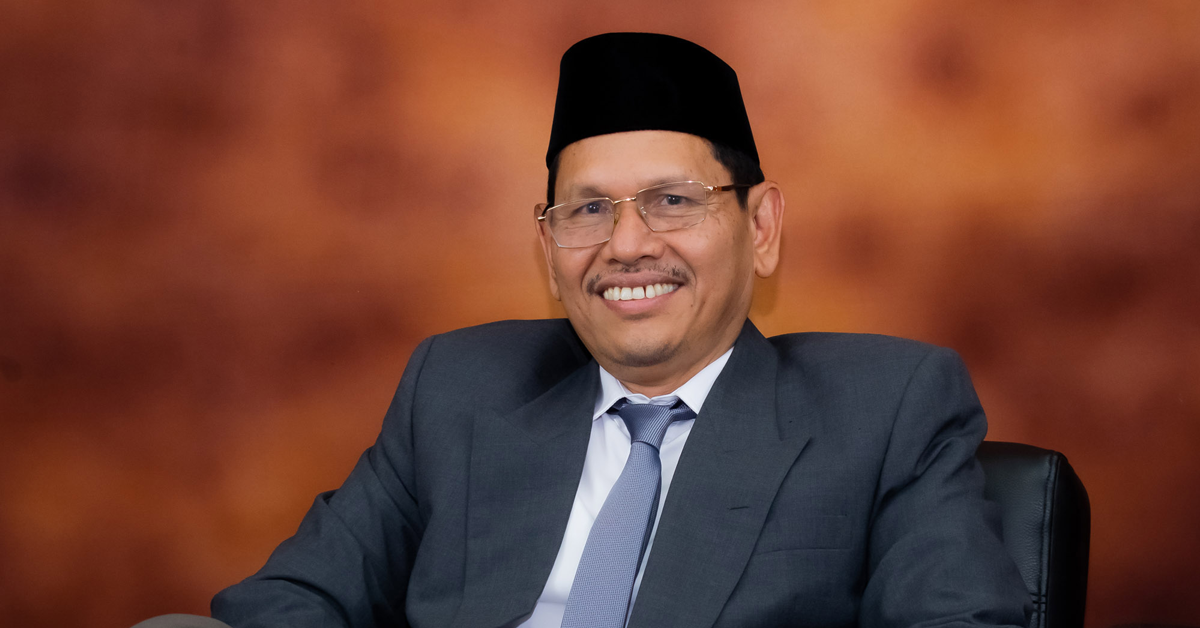
Prof. Dr. Imam Subchi emphasizes the importance of religious reflection at the year’s end as a means of assessing societal direction and ethical values, particularly regarding environmental stewardship. He highlights ongoing ecological disasters in Sumatra linked to humanity’s exploitation of nature, underscoring the necessity of a responsible relationship with the environment.
The Ministry of Religious Affairs’ promotion of ecotheology is commendable as it ties belief in God with care for nature, framing environmental stewardship as a religious obligation. Religion, in Indonesia’s context, functions as a source of social cohesion and moral guidance amid pressing issues like deforestation, corruption, and public ethics crises.
By 2025, challenges include rampant corruption, online gambling, and the continued ecological crisis, highlighting a profound moral crisis that requires religion to serve as a lived ethical foundation influencing both governance and social interactions.
Additionally, religion nurtures a work ethic that prioritizes moral values over mere economic activities, promoting cooperation and sustainability in professional environments.
Philosopher Slavoj Žižek’s critiques of religion are mentioned, advocating for a reinterpretation that fosters ethical and political responsibility rather than passive resignation. Ultimately, religion’s role is to inspire human responsibility and support long-term development through its ethical teachings.
