



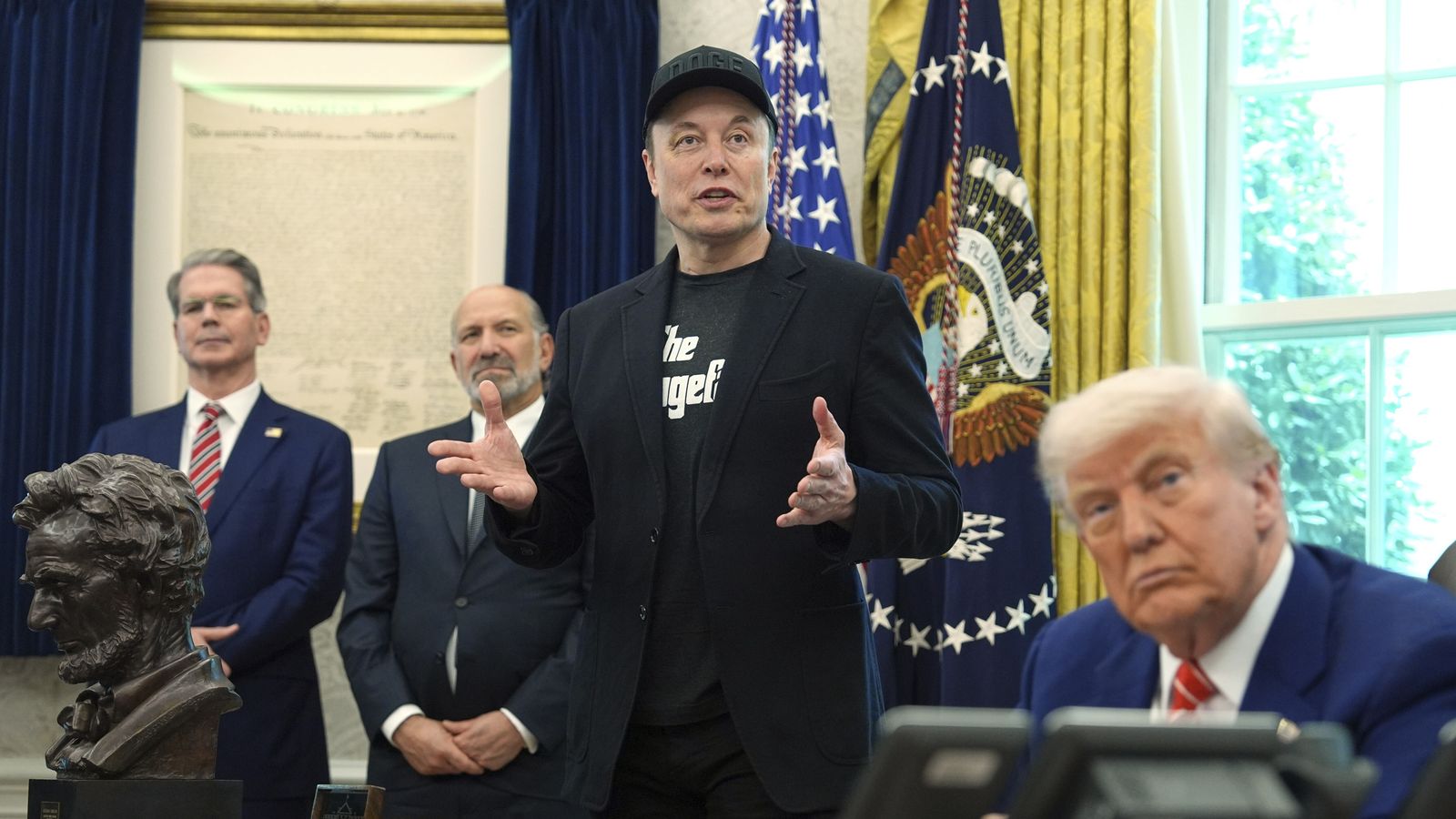
On Friday, the Delaware Supreme Court ruled that Tesla CEO Elon Musk should retain a 2018 compensation package valued at $150 billion, despite evidence that he misled shareholders and violated securities laws to secure it. This decision has sharply increased Musk’s wealth to $749 billion, positioning him closer to becoming the world’s first trillionaire. Since early 2024, Musk’s net worth reportedly grew by half a trillion dollars, outpacing the GDP of several countries.
A previous ruling by Delaware Chancellor Kathaleen McCormick had invalidated Musk’s pay package, citing a “deeply flawed” process where directors hid material facts from shareholders. McCormick noted this compensation package was significantly larger than those of Musk’s peers, describing it as a breach of fiduciary duty. Despite this, the Supreme Court did not contest McCormick’s findings but overturned the remedy, allowing Musk to keep the compensation while issuing only a nominal $1 in damages.
The court’s ruling underscores the growing acceptance of corporate misconduct amid unprecedented wealth concentration, reflecting systemic legal inadequacies in addressing social inequality. As the wealth of the top 10% increases dramatically, millions of Americans struggle with basic expenses, such as healthcare and housing.
Compounding this disparity, a recent poll revealed significant financial distress among Americans. This social divide is exacerbated by political power dynamics, with both major parties accommodating the oligarchic interests that dominate U.S. governance. The situation reflects a shift toward a form of aristocracy, where wealth concentration correlates with declining democratic structures.
The article argues that reforming the current system through legal or political means is ineffective. Instead, it advocates for the mobilization of the working class to challenge the practices of the financial oligarchy and to push for the socialization of the economy to address rampant inequality.
