


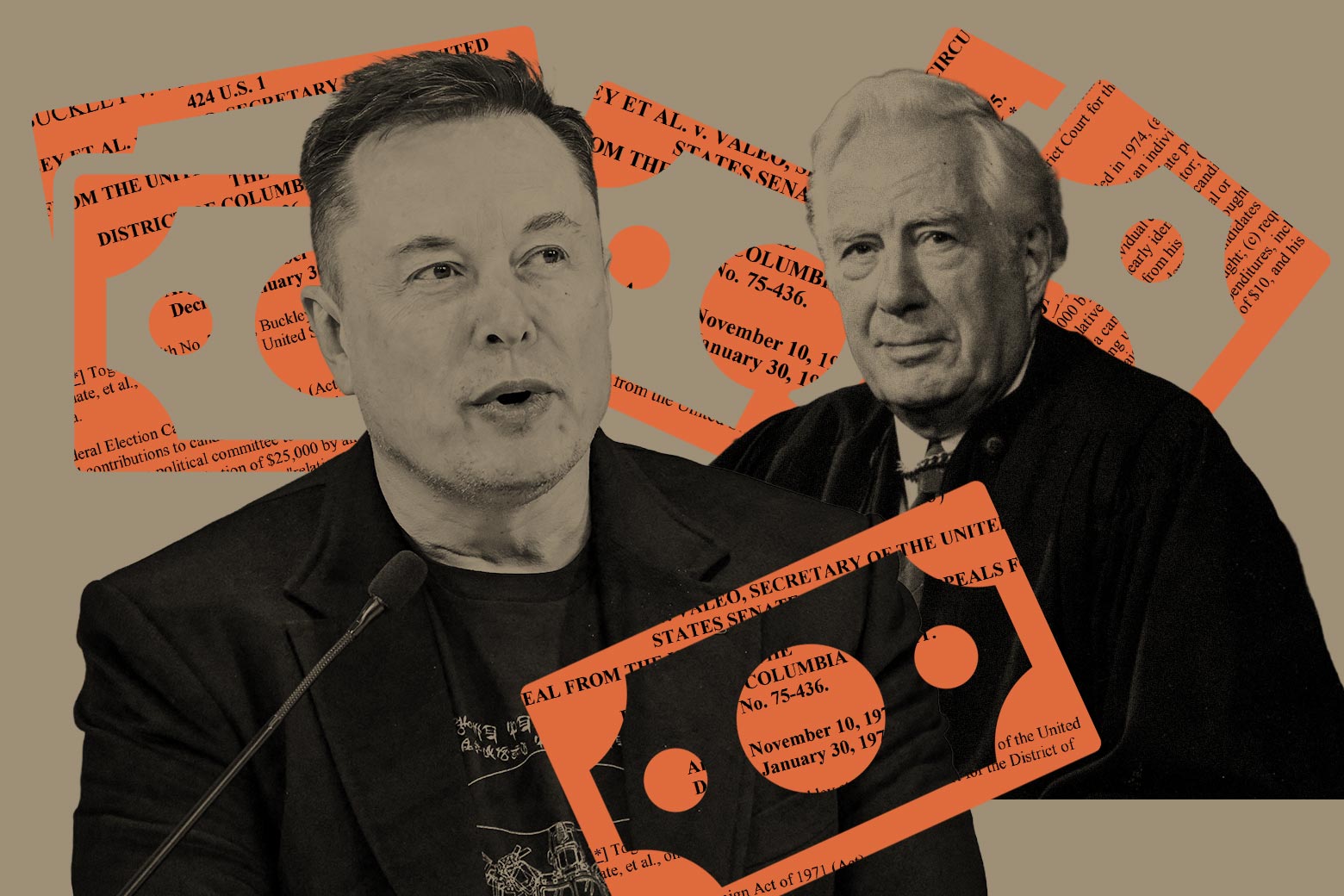
The article discusses the significance of the Supreme Court case Buckley v. Valeo, which turns 50 this week, in shaping the current American political landscape marked by oligarchy. The case established that while Congress can limit direct contributions to candidates to prevent corruption, it cannot limit independent spending, leading to the rise of super PACs funded by billionaires. This ruling has allowed individuals like Elon Musk to contribute massively to political campaigns, particularly in favor of Republicans.
Following the Watergate scandal, Congress attempted to reform campaign finance through the Federal Election Campaign Act (FECA) in 1974, introducing limits on contributions and establishing the Federal Election Commission (FEC). However, the Supreme Court’s split decision in Buckley deemed independent spending as free speech protected by the First Amendment, rejecting the idea that regulating spending could help level political playing fields.
The article argues that the consequences of Buckley have been detrimental, facilitating a system where wealthy donors can exert disproportionate influence over elections. Despite recognizing the threats to free speech posed by campaign finance regulations, the authors stress that failing to address the corrupting potential of vast sums of money in politics undermines democracy. They assert that reform, whether through a constitutional amendment or a shift in court interpretations, is necessary but challenging due to the entrenched interests benefitting from the current system.
In conclusion, the article calls for ongoing efforts to reform money-in-politics rules, emphasizing the need for a balance between free speech rights and preventing corruption in America’s democracy.
