



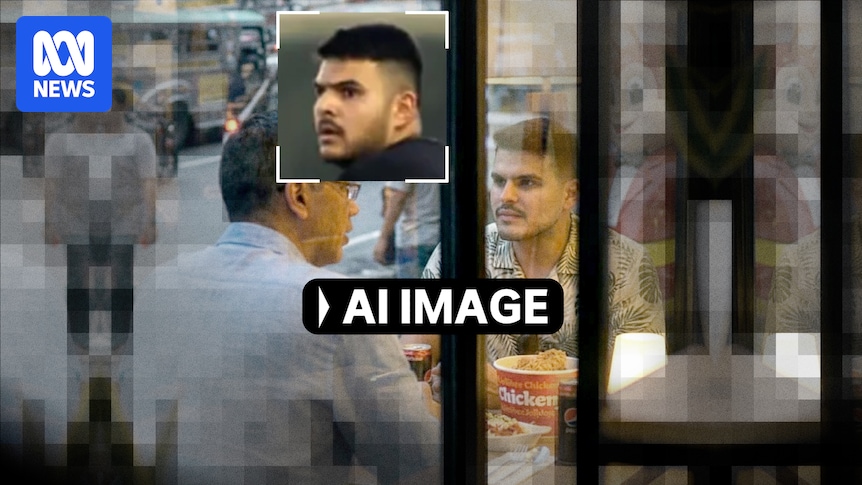
The article discusses the spread of falsehoods and conspiracy theories online following the Bondi Beach attack. It highlights three specific instances where either AI-generated images or contextually misleading images have been used to manipulate narratives on social media.
-
Gunman Deepfaked: An AI-generated image of Naveed Akram, the gunman, allegedly meeting with an Indian defense attaché surfaced online. ABC News Verify confirmed the image was created with Google’s AI tools and is not real, showing errors that indicate its AI origin.
-
Fake Facebook Profile: Another false narrative emerged with a fake Facebook profile of a man named “David Cohen,” which purportedly linked Akram to Jewish identity. The profile, created using AI and featuring manipulated images, has gained over 2 million views. A pro-Palestine account that shared this later apologized, acknowledging the content was “AI-generated.”
-
Police Response Misinformation: Misleading images circulated attacking the response of female police officers during the incident. Verified footage contradicts these claims, showing the officers actively engaging during the attack. Police Commissioner Mal Lanyon condemned the misinformation as harmful.
Overall, the article emphasizes the dangers of disinformation and the impact it can have on narratives following tragic events.
