



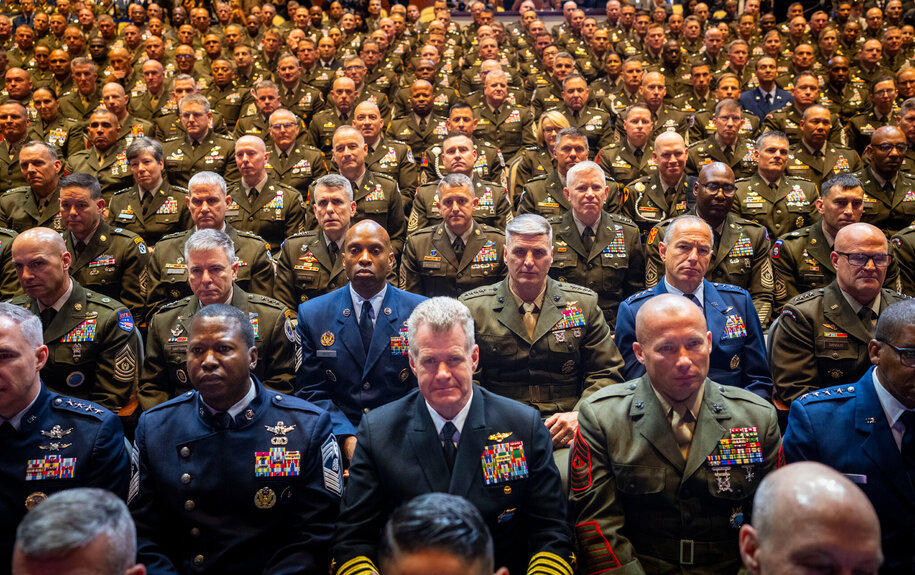
The author begins by emphasizing their respect for previous arguments made in the article, despite differing interpretations. They argue for the importance of diverse viewpoints in discussing the regime’s risks and the military’s potential role in supporting it. While they acknowledge substantial risks, they contend that the interpretation of those risks, particularly regarding military loyalty, may be overstated.
The article cites statistics from past uprisings showing that in over 66% of cases, militaries supported dictators. However, the author urges caution in projecting these patterns onto the U.S. context, noting that many cited examples involve post-colonial nations with distinct historical and political circumstances. They emphasize that, unlike successful dictators, the current U.S. regime has not improved the economy, which affects military allegiance.
The author discusses the nature of authority in authoritarian regimes, suggesting that the U.S. system, with its constitutional checks, makes a swift takeover harder. They express optimism that despite existing risks, the regime’s power appears to be waning.
Furthermore, the author critiques the notion that the military is uniformly compromised, suggesting that not all members would act against citizens. They believe that cultivating a sense of trust and honor within the military is crucial for resisting authoritarianism. They assert that while the U.S. faces risks, it’s also making progress in the struggle against encroaching totalitarianism.
In conclusion, they urge a balanced assessment of risks and opportunities, advocating for active engagement rather than resignation. They celebrate the resilience of the American spirit and underscore the belief that victory is achievable.
