



Finland recently made headlines for its men’s hockey team’s near miss in the Olympic semifinals against Canada. However, the country faced a significant historical near miss involving democracy in the late 1920s. Established in 1919 after a civil war, Finland’s democratic stability was threatened by the Lapua movement, a far-right, authoritarian faction that emerged from fears of communism and gained widespread support among various segments of society.
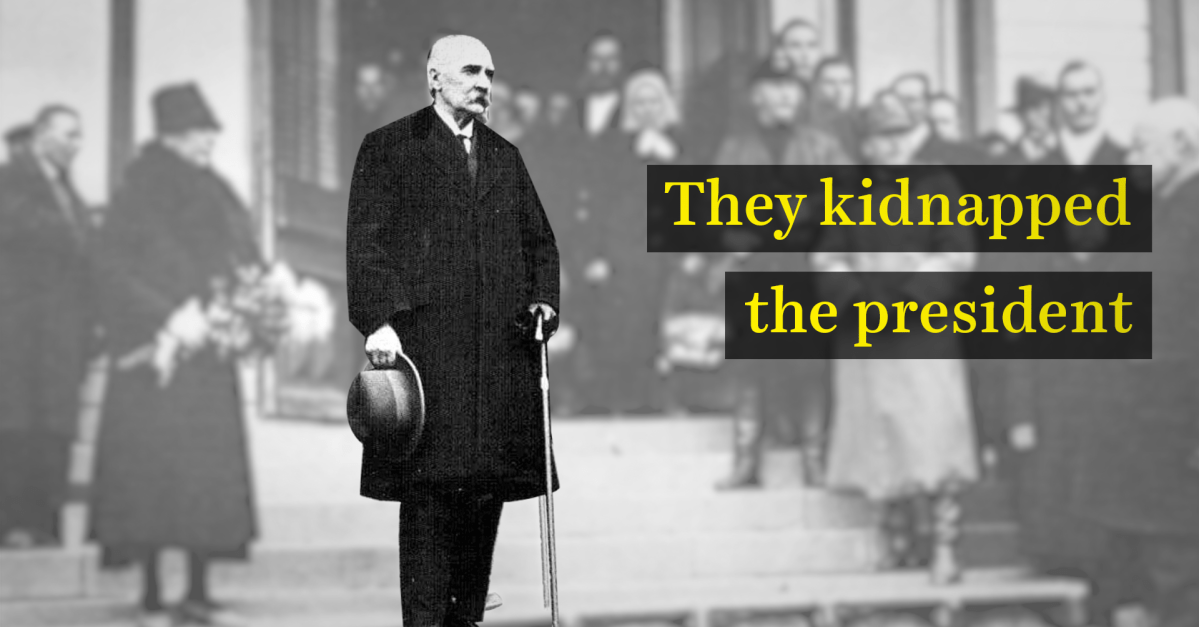
In 1930, the Lapua movement staged a massive march on Helsinki, aiming to topple the government, which instead passed undemocratic reforms limiting political participation for communists. Their violence escalated, with attacks on political rivals, including the kidnapping of former president Kaarlo Juho Ståhlberg. Over time, moderate leaders distanced themselves from the movement as it became increasingly radical.
In 1932, an armed uprising attempted to seize the capitol but was largely rejected by the civil guard and mainstream politicians. Finland’s president declared a state of emergency, leading to arrests of Lapua leaders. The movement fizzled out, and by 1937, a stable center-left coalition had taken power. Today, Finland is recognized for its robust democracy, achieving a perfect score on political rights and civil liberties. The story underscores that democracy can prevail, notably when politicians refrain from supporting extremism.
