


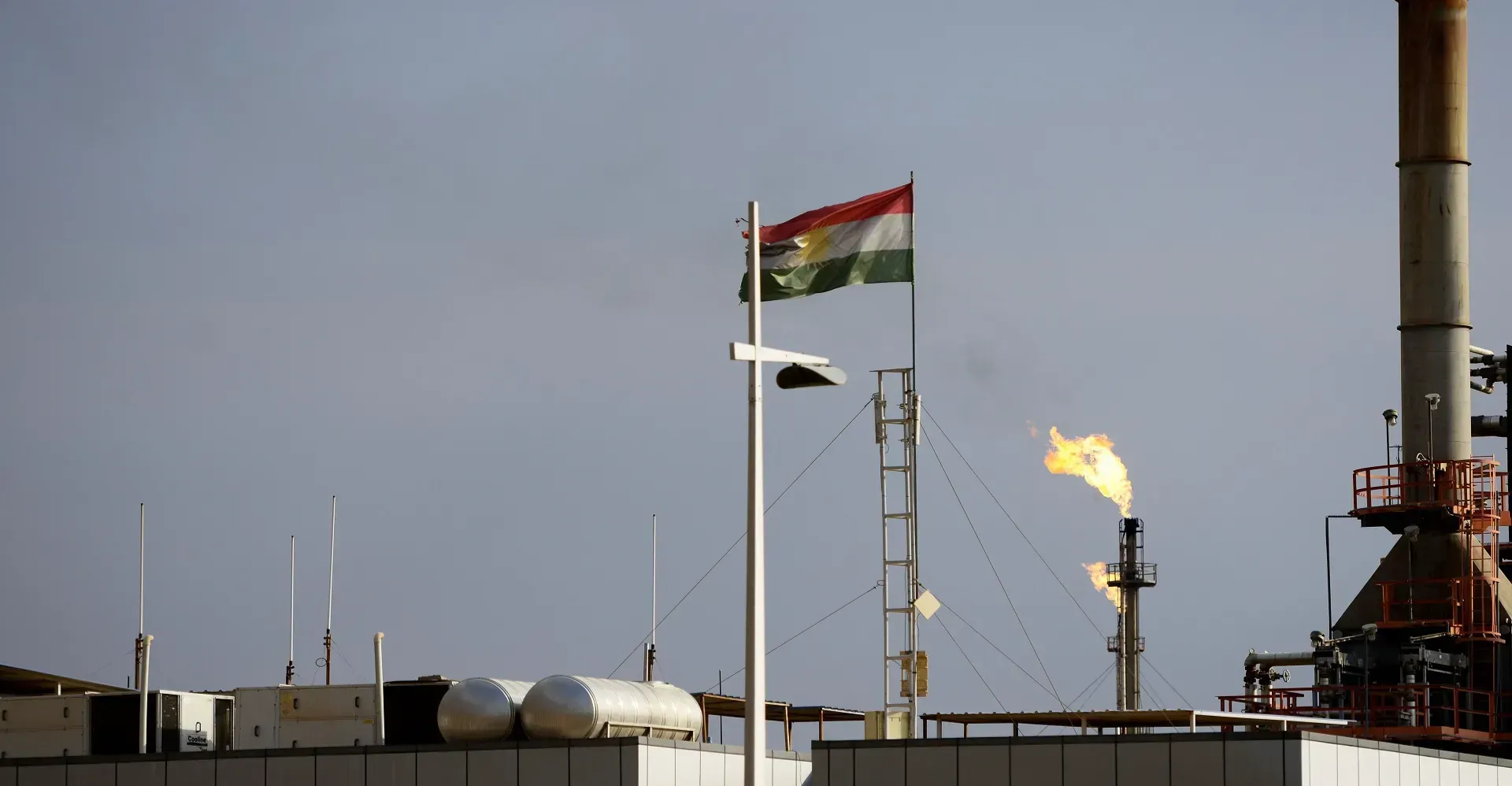
On a December night in Erbil, alarming messages flooded residents’ phones, warning of chaos in the village of Lajan, linked to a protest over local employment commitments at a nearby refinery. While the online narrative suggested an imminent collapse, the reality was far more localized and contained.
The protest escalated into clashes between demonstrators and security forces, resulting in casualties. However, politically aligned platforms exaggerated these tensions, labeling the situation as a looming civil war. A senior security source noted that the real challenge lay in countering rampant disinformation that distorted the incident’s scale.
Key to the panic was a video showing masked individuals near the refinery, which many interpreted as a significant threat. The Kurdistan Region Security Council (KRSC) later claimed both internal and external forces were involved in instigating unrest, detailing coordinated efforts aimed at destabilizing the region, including ties to Iranian-aligned groups.
Despite the exaggerated narratives, daily life in Erbil remained largely normal, with increased checkpoints but no widespread panic. Confusion was further amplified by restricted media access, leading to a reliance on partisan outlets that fueled misinformation. The KRSC accused these media of engaging in a “psychological warfare” against the Kurdistan Region.
As a digital crisis unfolded, it highlighted vulnerabilities in both local security and narratives surrounding the region’s energy infrastructure, illustrating the sensitive political dynamics at play. While federal responses were muted, the KRG emphasized its efforts to maintain stability and prevent the escalation of unrest linked to critical energy resources.
