



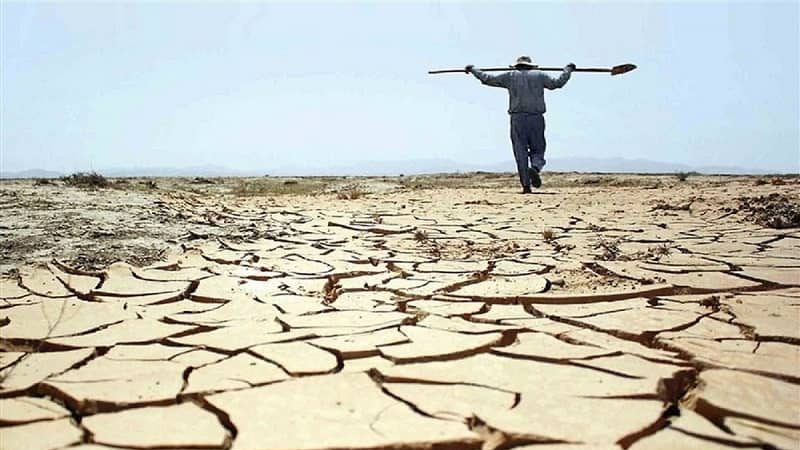
Since the mullah regime took power in Iran, a complex crisis has emerged, involving domestic repression, regional instability, and severe environmental degradation. The regime’s neglect for ecological sustainability has led to the depletion of rivers and lakes, destruction of northern forests, and alarming groundwater depletion, causing land subsidence and making certain areas uninhabitable.
Even state media, usually cautious about criticism, highlight the urgent environmental crises, such as an article in Resalat discussing escalating climate migration, with experts warning about unsustainable living conditions in cities like Isfahan facing significant water shortages and subsidence.
Dariush Golalizadeh from the Environmental Protection Organization revealed that around 800,000 people have migrated north from central and southern Iran in the past two years due to climate issues. In Isfahan, a severe water deficit of 13 billion cubic meters has been reported, with ongoing relocation of residents escaping droughts affecting the Zayandeh Roud River.
Government surveys indicate migration from Iran’s central plains, especially Isfahan, due to a critical decline in groundwater. The unsustainable extraction practices have led to subsidence rates nearly 90 times higher than in developed nations. Major urban areas like Isfahan and Tehran are significantly impacted.
The environmental alterations resulting from climate change have brought on potential crises in Isfahan, where subsidence affects homes and historical sites, prompting experts to warn of increasing internal migration as water resources dwindle. Water management issues and ongoing climate challenges signal a grim future for many regions in Iran.
