



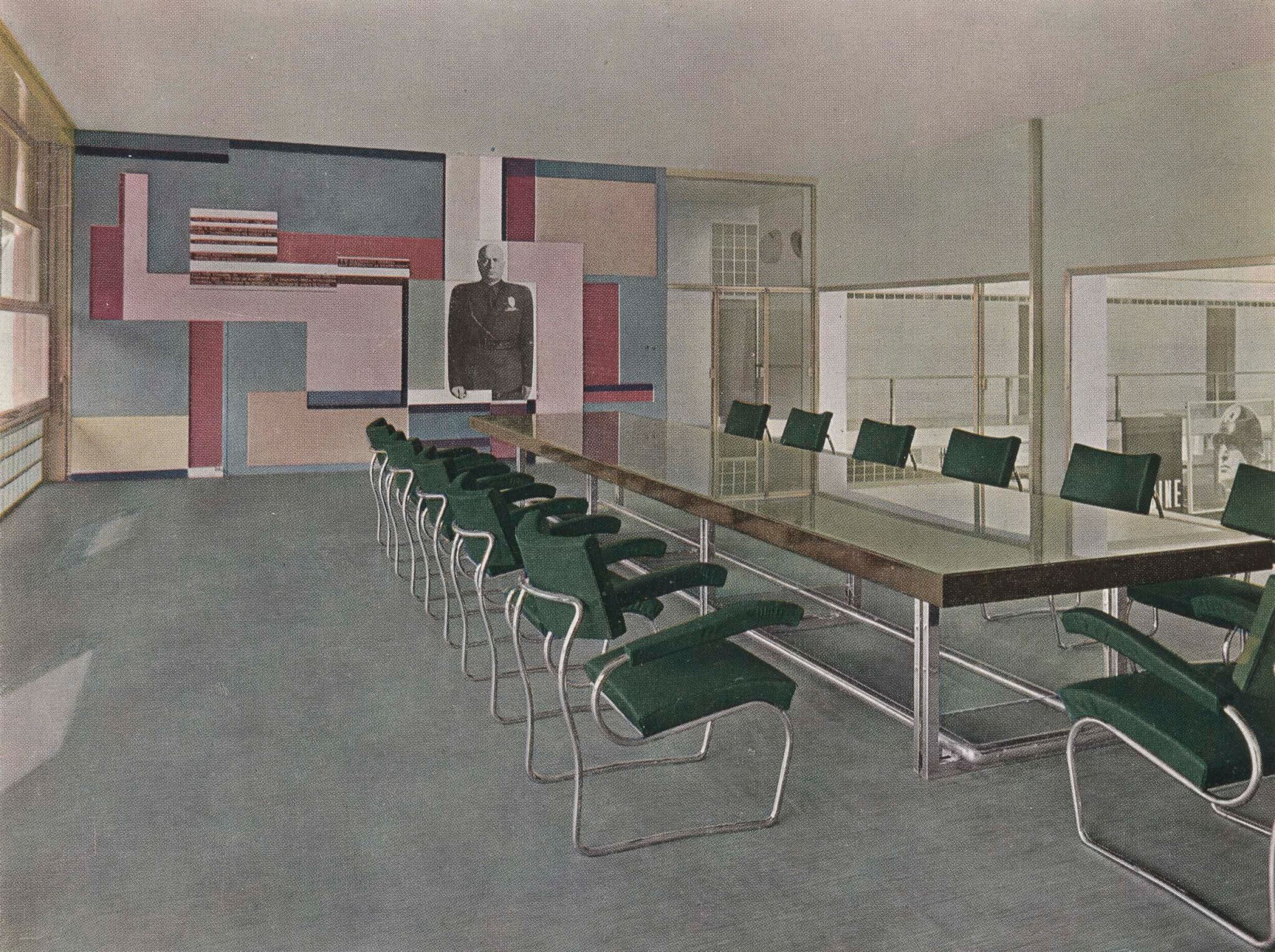
Furnishing Fascism: Modernist Design and Politics in Italy by Ignacio G. Galán explores the intricate relationship between interior design, particularly the concept of arredamento, and Italian fascism. Using Michelangelo Antonioni’s 1962 film L’Eclisse as a pivotal reference, Galán examines how architecture and furnishings communicate broader political and national identities in the context of Mussolini’s regime.
Arredamento encompasses both individual pieces of furniture and the overall approach to designing cohesive interiors, linking modernist design with fascist aspirations. Galán argues that by analyzing various publications, exhibitions, and private homes, we can see how decor served as a medium for promoting national identity and advancing fascist ideologies.
While the book offers a thorough examination of this interplay, critiques arise regarding its focus on media discourses, potentially overlooking dissenting views on the major figures in Italian modernism and the complexities of how arredamento functioned as a design strategy filled with political implications. The work highlights design’s role in shaping collective identities and suggests the potential for furniture to act as silent accomplices in systems of control and oppression associated with totalitarianism.
Galán’s analysis further addresses the globalization of Italian design, showing how arredamento adapted to various contexts, from colonial projects to international tourism, reinforcing its significance in articulating Italian identity amidst a rapidly changing world.
Despite its insights, the book is noted for not sufficiently engaging with the complexities of fascism itself, focusing instead on the discourse surrounding design. Ultimately, Furnishing Fascism urges us to critically assess how interiors and their furnishings reflect and exert ideological power, akin to contemporary films that interrogate domestic spaces in the face of historical and systemic atrocities.
