



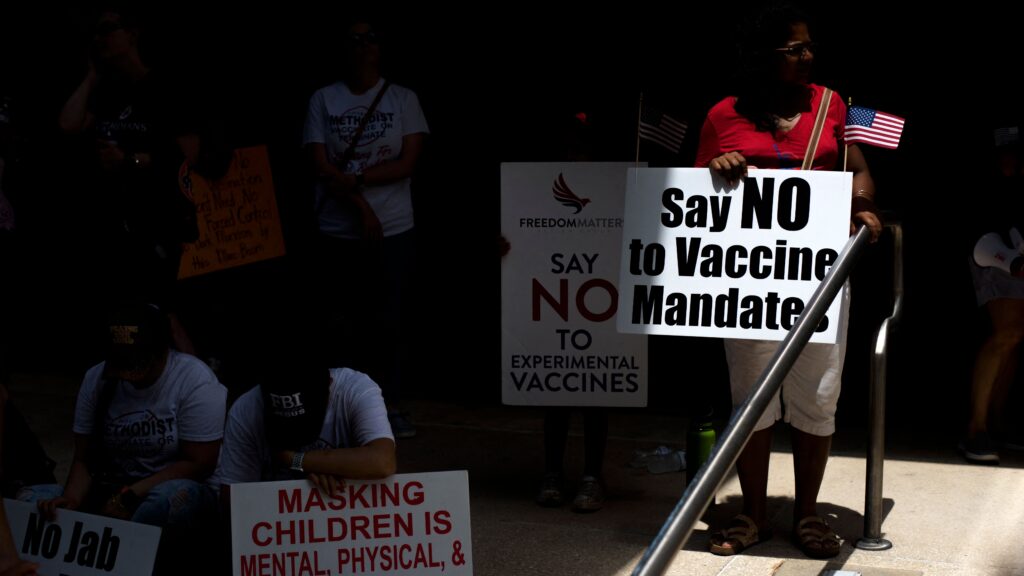
At the Children’s Health Defense (CHD) conference in Austin, Texas, the author observed a vibrant community dedicated to anti-vaccine sentiments, largely unified by personal grievances and a shared mission. Many attendees, including former military personnel and others sidelined for resisting COVID-19 vaccines, spoke about their journeys of ostracization and loss, which they reframed into activism.
Despite being a pro-vaccine clinician and an outsider, the author found value in witnessing this community’s energy and conviction, which showed a movement on the rise under newly appointed leader Robert F. Kennedy Jr. The conference featured passionate speakers promoting legislation against vaccines and a strong rejection of mainstream media narratives. Attendees were encouraged to consider themselves as citizen journalists, challenging traditional media outlets.
The event highlighted the organized, strategic nature of CHD’s mission, advocating for legislative changes while decrying perceived government and pharmaceutical overreach. However, the conference lacked scientific rigor, instead relying on emotional testimonies and anecdotal evidence, emphasizing the need for public health to engage more effectively with this community.
The author concluded that understanding and recognizing the legitimacy of these gatherings is crucial for public health practitioners wishing to counteract growing anti-vaccine sentiments, stressing that dismissing the movement as fringe could lead to underestimating its influence and determination.
