



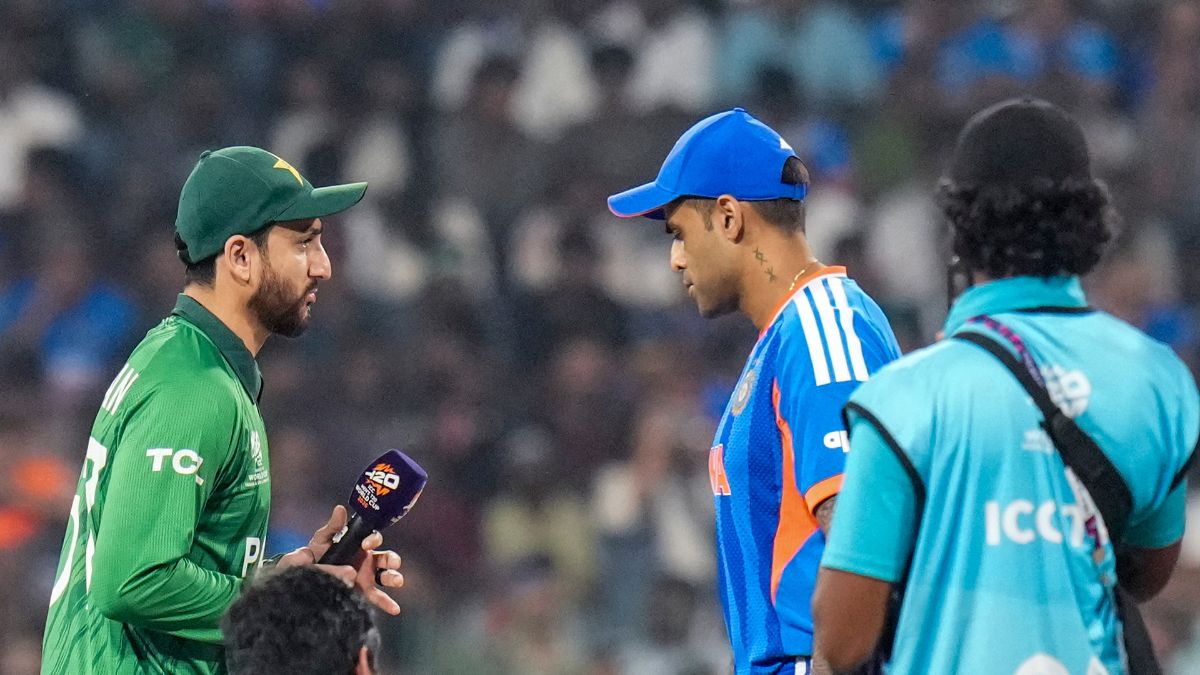
The rivalry between India and Pakistan has long been characterized by aggression and emotional tension, recently intensified following the Pahalgam attacks in April 2025. In response, India vowed to cease interactions with Pakistan, including in sports, which many anticipated would lead to match boycotts. Instead, India adopted a confusing “no handshake” policy since the 2025 Asia Cup, isolating players from both nations while fans continue to coexist peacefully.
This stance has generated backlash not only from Pakistan but also from many Indian sports lovers who view it as a misguided show of nationalism. For instance, former Indian captain Rohit Sharma was seen socializing with former Pakistani players, which raises questions about the consistency of this policy. Fans from both sides have shared positive experiences together, highlighting a disconnect between player interactions and the camaraderie among spectators.
Some argue that if India aims to take a strong stand against Pakistan, they should boycott matches altogether, but the significant revenue generated from India-Pakistan games complicates matters. The current approach, described as a mix of nationalism and jingoism, appears hypocritical and may need reevaluation, whether the directive comes from the BCCI or the Central Government.
Ultimately, while the players maintain a confrontational stance, the atmosphere among fans contradicts this division, suggesting a need for change.
