



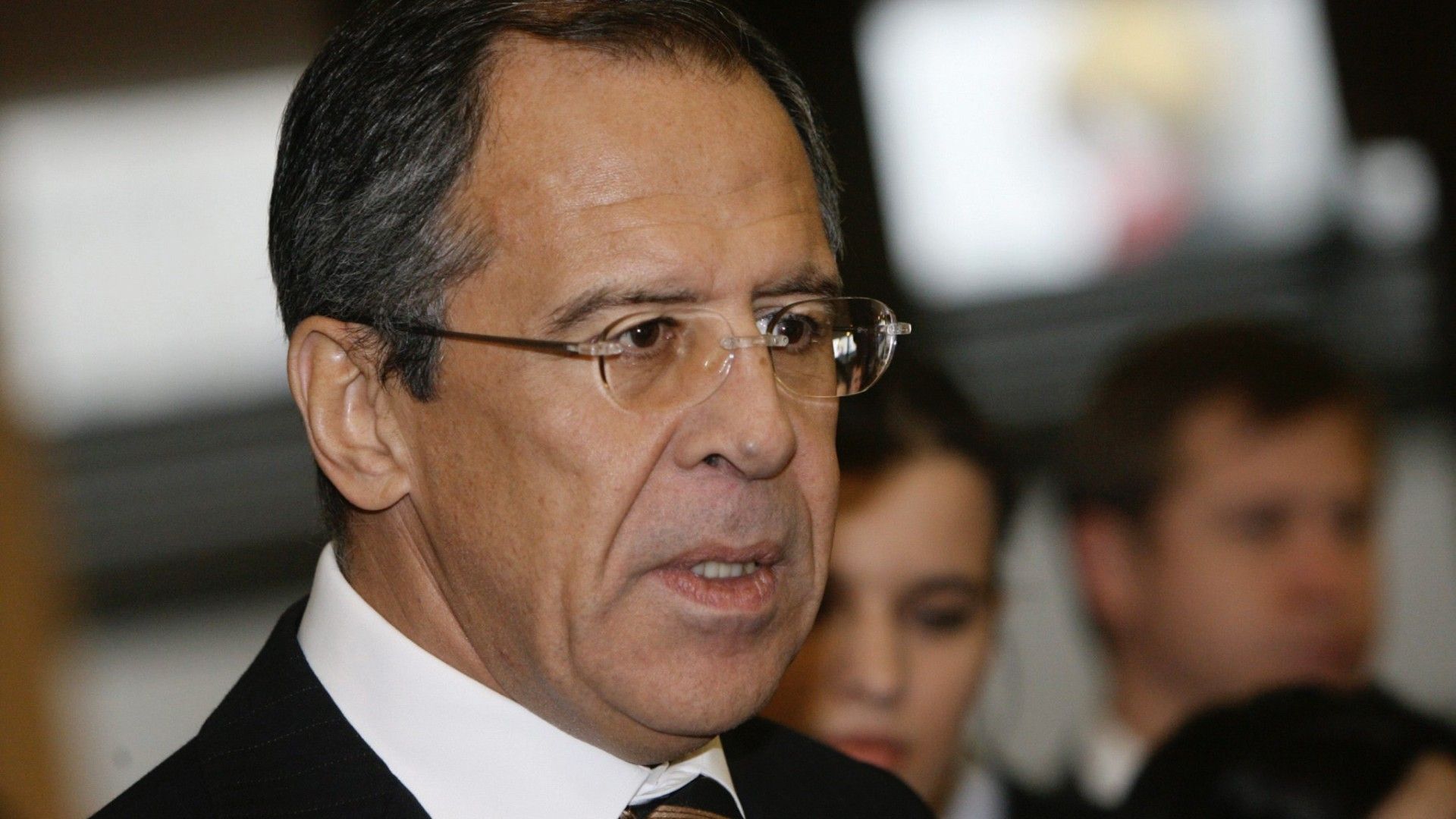
The article discusses recent Russian espionage activities against Poland, highlighting the country’s increased vulnerability to cyberattacks, disinformation, and sabotage. Russian leaders, including Sergey Karaganov and Sergei Lavrov, have issued threats against various European nations, including Poland, with Karaganov explicitly mentioning a potential nuclear strike on Poznań. The article notes that these threats arise from Poland’s geopolitical significance, its military ties with the U.S., and its support for Ukraine.
Poland faces hybrid threats, including espionage and disinformation campaigns, which have escalated as a result of its strained relations with Russia. Russian officials accuse Poland of historical animosity and misrepresentation regarding World War II, further complicating diplomatic relations. There’s significant public concern in Poland about the influence of disinformation, with a Eurobarometer study showing high levels of fear regarding manipulated election results.
The country experiences thousands of cyberattacks daily, with a notable increase in incidents targeting critical infrastructure. A coordinated cyberattack in late 2025 against Polish energy systems exemplified this emerging threat landscape. The situation is characterized as a “cold peace” that could rapidly escalate into military confrontation. The author, Sebastian Wojciechowski, emphasizes the need for vigilance and readiness against these evolving threats.
