



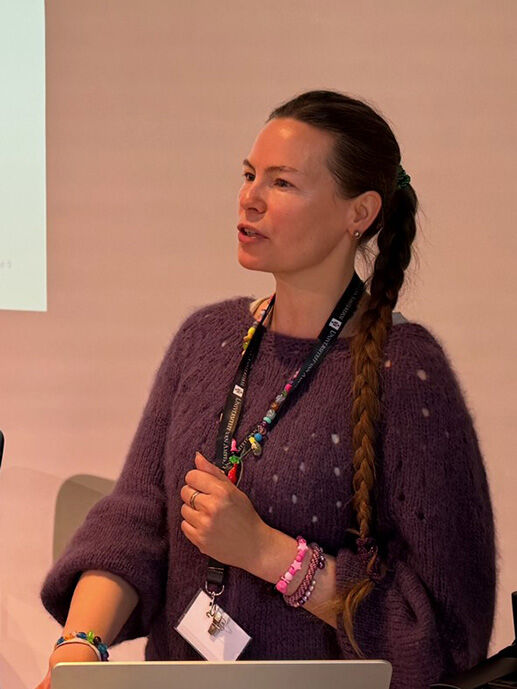
In 2017, ‘fake news’ was named the word of the year by the Language Council of Norway. Linguist Silje Susanne Alvestad explored the linguistic traits of fake news in her project ‘Fakespeak – the language of fake news,’ examining English, Russian, and Norwegian texts. Research revealed that fake news often uses the present tense, has a conversational style, and employs emphatic expressions like ‘truly’ and ‘really.’ The tone is frequently more categorical, reflecting a confidence in the reported truth, especially in Russian texts.
Alvestad noted that linguistic features vary based on the writer’s motive, with financial deception resulting in fewer metaphors compared to ideological motivations. While developing a fact-checking tool with SINTEF, the researchers highlighted challenges in defining fake news due to its overlap with various genres.
The rise of AI has further complicated the landscape, leading to the NxtGenFake project focused on AI-generated disinformation. Early findings indicate less variation in persuasive techniques in AI texts, with generic references and a conclusion style that appeals to values. Tests found people rated AI-generated disinformation as more credible and informative, raising concerns about its detection. Alvestad emphasized the need for awareness of the risks associated with AI and its potential to wrap misinformation in trusted formats.
