



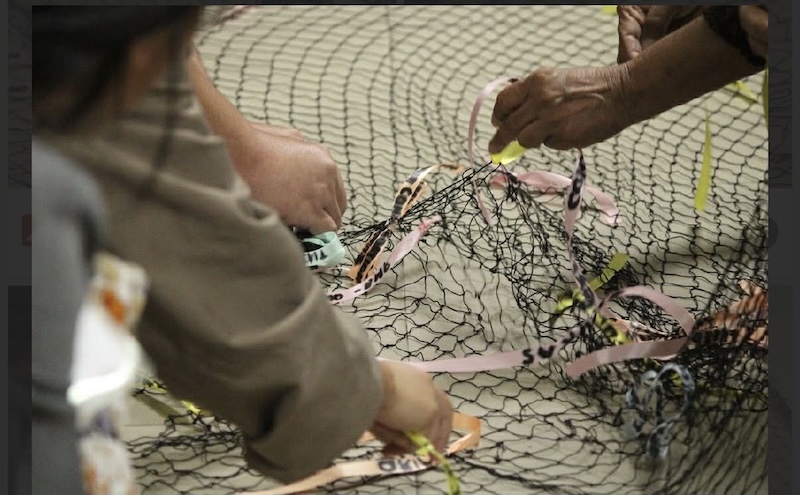
The article discusses a multi-sectoral gathering held at the University of Santo Tomas from January 14-16, 2026, led by the Church, to address ecological, economic, and governance challenges in the Philippines. Participants committed to a Cebuano-Visayan concept called Hayuma, meaning “mending the broken together,” to promote sustainability.
The concept of tolerated ecological evils describes normalized injustices that persist because they serve vested interests, as articulated by Pope Leo XIV in his apostolic exhortation. These manifest in environmental contexts as systemic problems that lead to environmental destruction and a passive acceptance of the suffering of marginalized communities.
Key issues highlighted include:
-
Deforestation: The Philippines has substantial forest loss; only 7.22 million hectares remain, with Mindanao experiencing both alarming and incremental changes in forest cover, necessitating urgent action against land-use changes driven by agriculture.
-
Unsustainable Land Use: Agricultural practices are transforming diverse ecosystems into monoculture plantations, which impoverish small-scale farmers and negatively impact biodiversity.
-
Freshwater Crisis: A significant contamination of waterways threatens public health and poses geopolitical risks, accentuated by the privatization of water resources.
-
Destructive Mining: Mining activities, justified for economic gain, often displace indigenous communities and destroy biodiversity. This is exacerbated by renewed global demand for minerals needed for clean energy technologies, creating a moral dilemma.
The interconnection between ecology, economy, and governance is emphasized, advocating for a holistic approach grounded in “integral ecology” as presented in Pope Francis’s Laudato Si’. This holistic vision promotes ethical responsibilities towards ecological preservation, asserting that ecological and social crises are intertwined.
To overcome the climate crisis, a transformative commitment is required to reject the status quo and promote a sustainable future, centering both human and ecological well-being. As the live dynamics of ecological disaster unfold, it becomes crucial to challenge normalized injustices while fostering community-driven restoration efforts. A hopeful future entails recognizing and acting against these tolerated ecological evils, integrating environmental resilience with social justice initiatives.
