



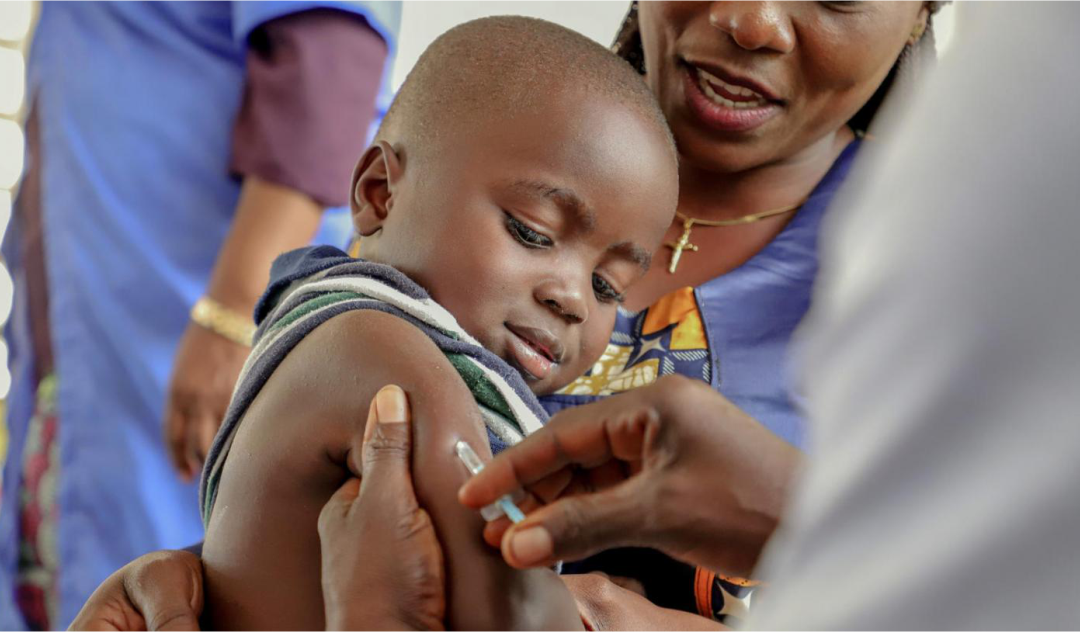
The federal government is focused on combating vaccine hesitancy through strategic communication and collaboration with traditional and religious leaders, as emphasized by Salma Anas, the presidential adviser on health, at a recent panel session in Kaduna. The session, organized by the Development Research and Projects Centre (dRPC), explored the effects of vaccine hesitancy and the critical roles these leaders play in promoting immunization.
Anas highlighted the government’s commitment to achieving 80% equitable coverage of all antigens by 2028 and addressing issues like misinformation, disinformation, and propaganda that undermine public trust in vaccines. Under President Bola Tinubu’s Renewed Hope Agenda, enhanced funding and policy adjustments aim to strengthen Nigeria’s primary healthcare system.
Judith-Ann Walker, represented by Hassan Karofi from dRPC, noted that vaccines are central to Nigeria’s Health Sector Renewal Investment Initiative launched in 2023, which focuses on improving routine immunization and outbreak response for universal health coverage. She mentioned the successful vaccination of 12 million girls aged 9 to 14 with the Human Papillomavirus vaccine but acknowledged that vaccine hesitancy persists due to complacency and lack of confidence.
Walker also pointed out that mothers, as primary caregivers, are particularly susceptible to disinformation affecting maternal and child health. Initiatives supported by organizations like Grand Challenges Canada and the Bill and Melinda Gates Foundation have utilized traditional and religious leaders to improve awareness in Northern Nigeria.
Abdulazeez Mashi from Umaru Musa Yar’adua University advocated for enhanced health communication strategies to counter misinformation and build vaccine trust. Outgoing MWAN president Rosemary Ogu urged healthcare providers to adapt their communication approaches, noting that provider behavior can significantly influence public trust in vaccines.
