



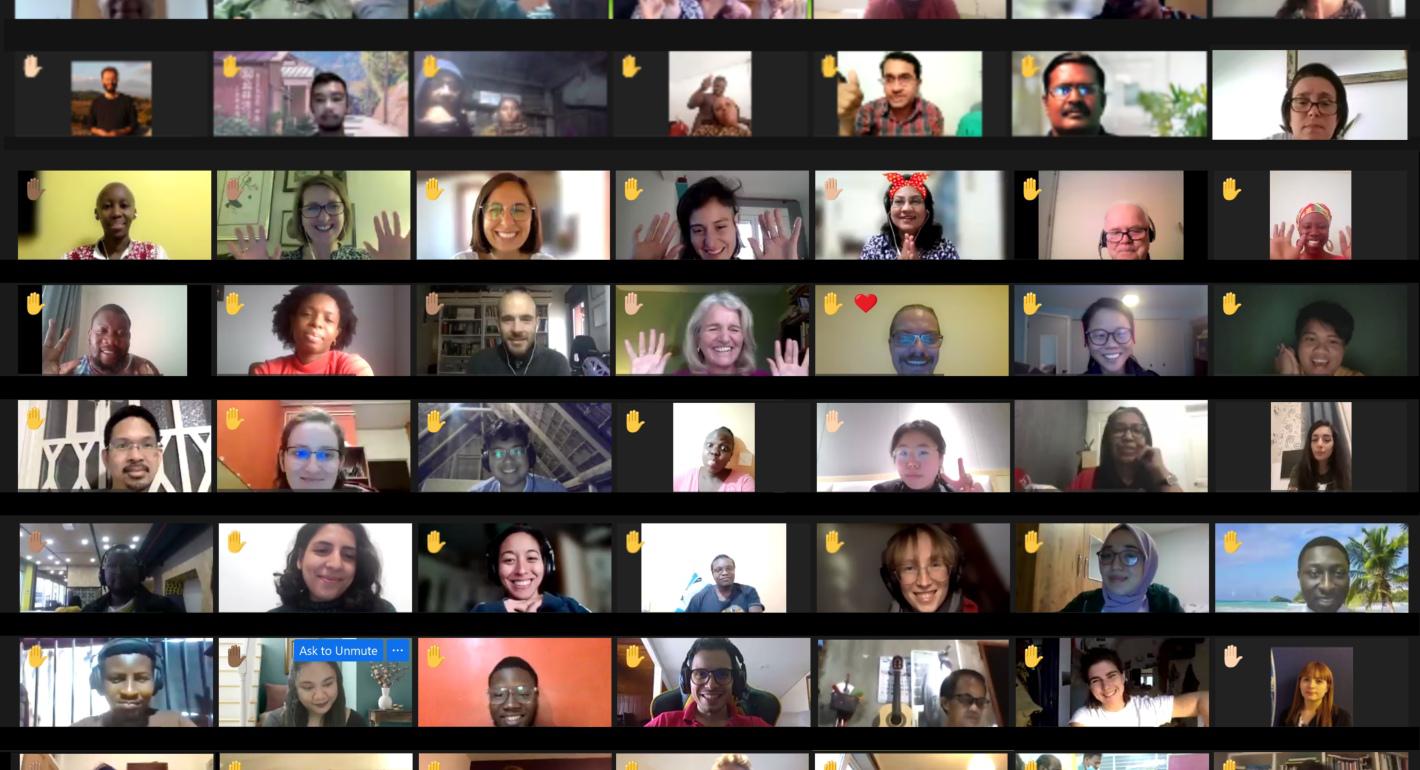
In 2021, a diverse group, including scientists, activists, and academics, organized the Global Citizens’ Assembly, a groundbreaking initiative at the UN Climate Change Conference (COP26) in Glasgow. This assembly aimed to create a new global governance structure where citizens have a direct role in climate decision-making, contrasting with traditional top-down approaches often led by political figures.
The assembly was crafted from the ground up, engaging communities worldwide and supported by UN representatives. It aimed to empower citizens, recognizing their critical role in addressing the climate crisis. The initiative’s framework included four core assumptions about the capacity of citizens to drive change.
Three main activities encompassed the assembly’s work: the Core Assembly, Community Assemblies, and a Cultural Wave. The Core Assembly comprised 100 randomly selected individuals who deliberated for 68 hours, producing the People’s Declaration for a Sustainable Future. Community Assemblies allowed broader participation, with over 1,300 people from 41 countries engaging in localized discussions. The Cultural Wave engaged creatives to raise awareness and foster public debate on climate issues.
However, unlike national citizens’ assemblies, the Global Assembly faced challenges in legitimacy and engagement due to its global scale and the lack of centralized governance. While the initiative succeeded in increasing participants’ sense of influence and building solidarity among diverse groups, its impact on formal decision-making remained limited.
Looking ahead, the authors highlight the need for establishing a more permanent Global Citizens’ Assembly to sustain citizen engagement in climate governance. They argue that by enhancing participation and integrating community assemblies into existing structures, a more effective approach to responding to the climate crisis can be achieved. The assembly’s success suggests potential pathways for greater citizen involvement in global governance, emphasizing empowerment and solidarity in climate action.
