



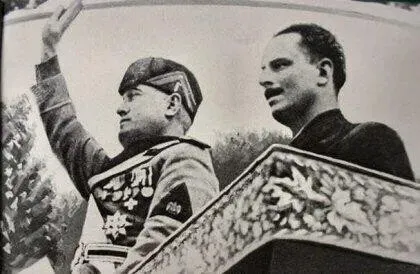
The article discusses the rise of far-right parties in the UK between the World Wars, focusing on Oswald Mosley and the British Union of Fascists he founded in 1932. Mosley, originally a parliament member, adopted fascist ideology to address economic struggles, gaining over 50,000 followers who engaged in militaristic demonstrations. The piece highlights the broader European context, where numerous far-right parties emerged post-World War I amid widespread despair and instability, as noted by historian Robert Paxton.
The author draws parallels between the historical context and contemporary political sentiments in Korea, particularly among young men who exhibit right-leaning views. A recent survey indicates significant support for martial law and skepticism about electoral integrity among the youth. The author argues that these young individuals are not mere followers of ideology but rather disillusioned and anxious due to socio-economic pressures, reminiscent of those in post-war Europe. The article calls for understanding their emotional state and finding pathways for coexistence within a shared community, stressing the importance of addressing both rational judgment and emotional anger in discussions about democracy and civic virtues.
