


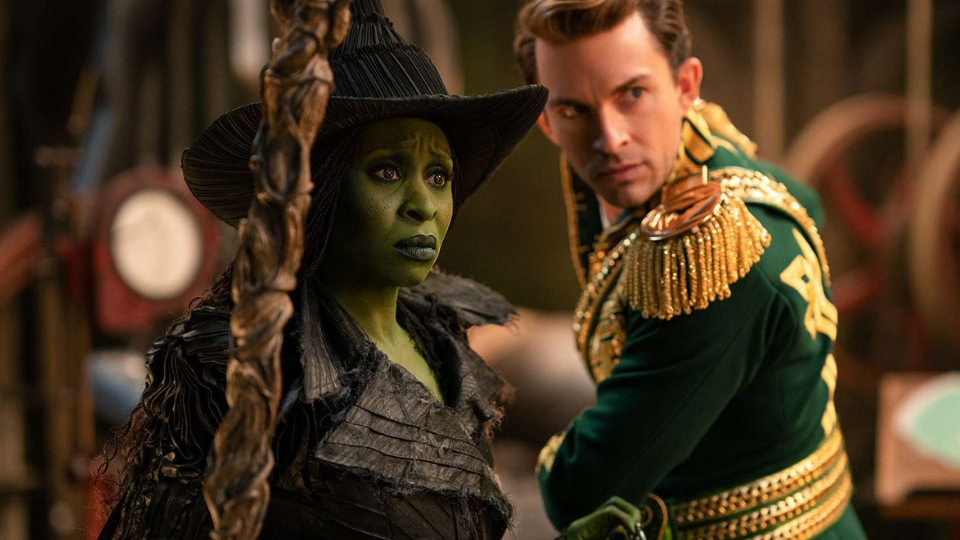
“Wicked: For Good,” the second film in the Wicked saga, continues the story of Elphaba, the “Wicked Witch of the West,” as she defies a fascist regime in Oz. While the film boasts powerful performances and memorable musical numbers, it suffers from a scattered narrative and an uneven focus on characters. Elphaba, exiled and demonized, seeks to expose the true nature of the Wizard and his oppression of non-human residents. Meanwhile, Glinda enjoys fame as a political figurehead, increasingly at odds with Elphaba.
The film’s darker tone and complex messaging about good and evil may disappoint those expecting lighter elements. While the characters’ friendship reflects broader societal issues—particularly the struggles of Black women versus the complicity of white women—the film ultimately softens Glinda’s portrayal, giving her an undeserved resolution. Key characters suffer from limited screen time, diminishing the film’s impact.
Despite its flaws, the movie concludes a powerful story about standing up against tyranny and injustice, with standout musical moments like “No Good Deed” and “As Long as You’re Mine.” Overall, while “Wicked: For Good” has shortcomings, it presents a poignant narrative about defiance and the nature of goodness.
