



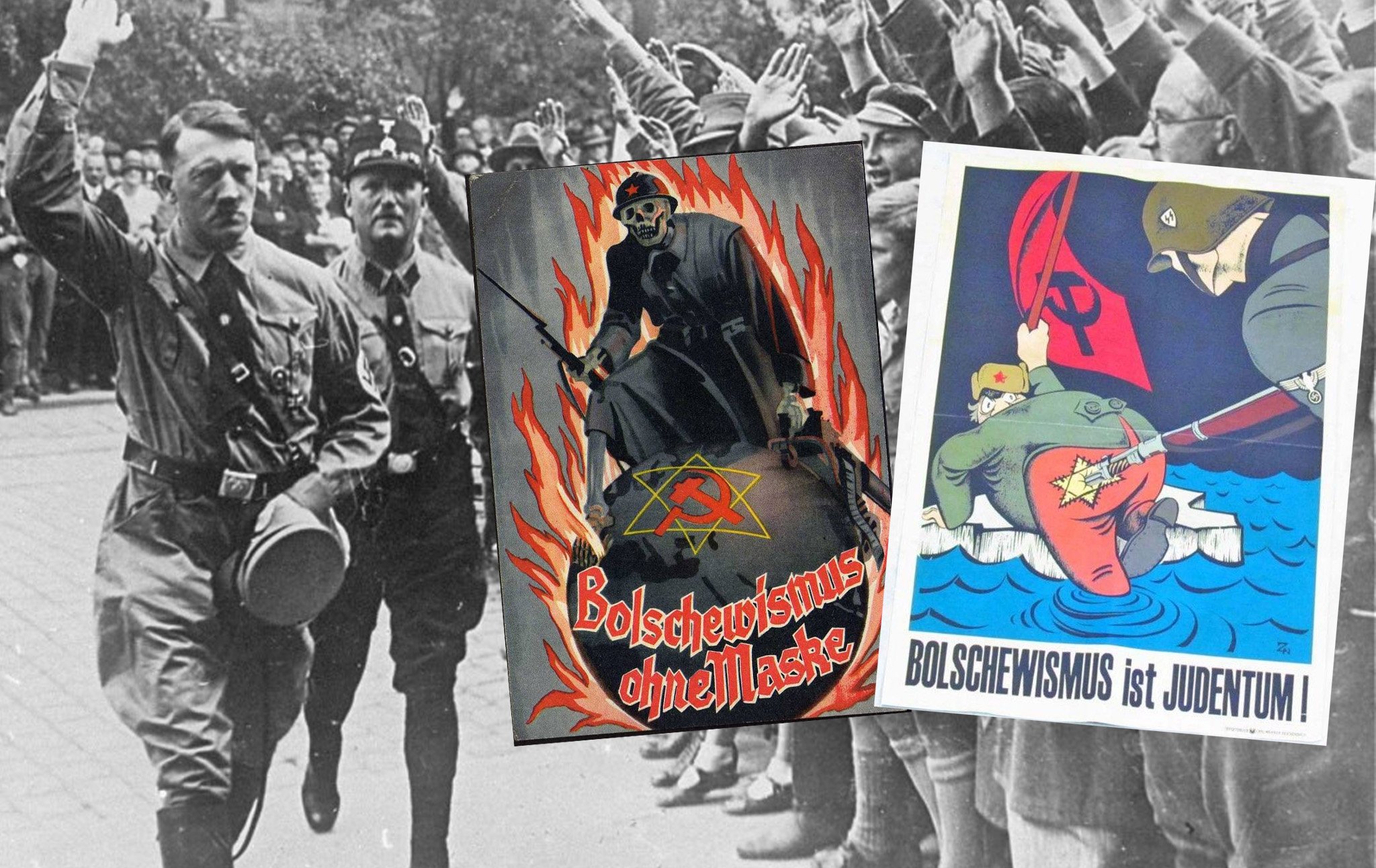
The article examines the overuse of the term “fascism” in contemporary political discourse, noting that figures across the political spectrum have been labeled as fascist. It critiques claims from some commentators suggesting that fascism is leftist or socialist, emphasizing the historical context in which fascism emerged to combat socialism.
The author highlights the complex relationship between fascism and the broader right, noting that conservative figures historically supported fascism to counter socialists and communists. This cooperation stemmed from a shared antipathy toward leftist ideologies. The text outlines how fascism is not merely an extreme form of conservatism but a distinct ideology that embodies ultranationalism and a rejection of democracy, aiming for a mythical revival of a perceived glorious past.
Fascists vehemently oppose socialism for its rationalism, egalitarianism, and perceived cosmopolitanism. They view socialism as a threat to their notion of hierarchical social order and celebrate inequality as essential to a rightful society. The article argues that fascism appeals to sentiments of dispossession and victimization, offering adherents a sense of status and belonging through its anti-egalitarian worldview.
The author concludes by contrasting the ethical cores of socialism and fascism, arguing that while both have committed atrocities, socialism’s goal of reducing suffering is ethically superior to fascism, which panders to base instincts and fantasies of superiority. Fascism is depicted as a failed ideology, ultimately rooted in a desire for power devoid of moral responsibility.
