



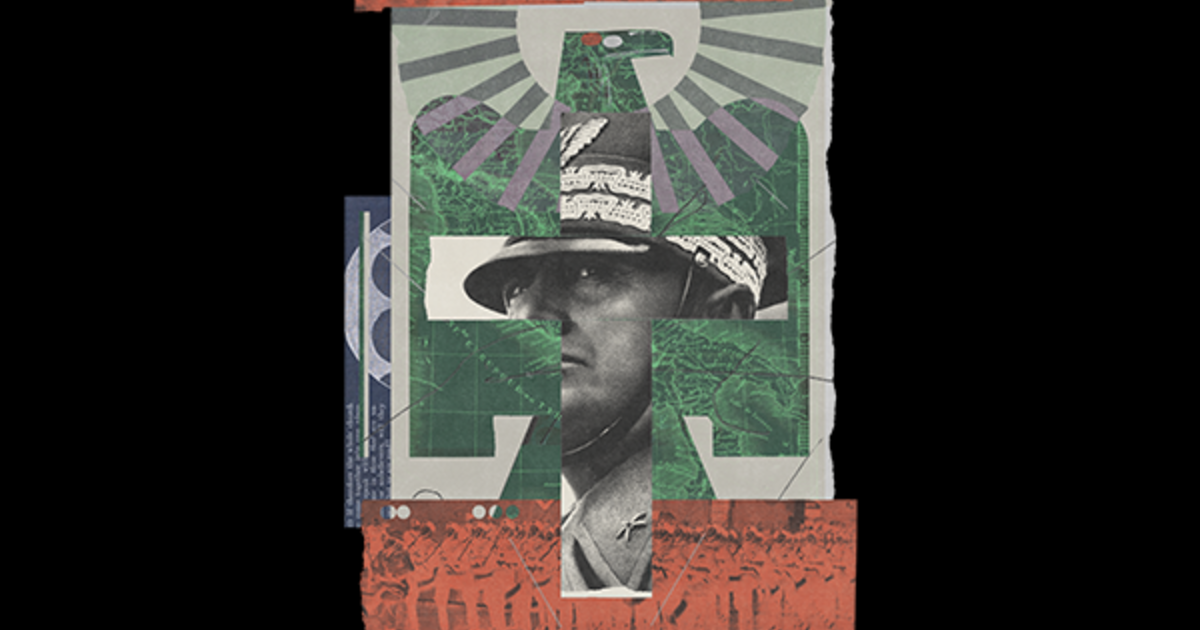
The article explores the portrayal of Mussolini’s rise to power in the series “Mussolini: Son of the Century,” emphasizing his desire to rival Christianity, which is depicted through a scene of him challenging God’s existence. The series, based on a historical novel by Antonio Scurati and directed by Joe Wright, suggests that fascism served as a “political religion,” paralleling the Catholic Church in its structure and rhetoric.
Historian Emilio Gentile argues that fascism was a “sacralization of politics,” transforming the leader into a deity and ideology into a form of holy scripture. Mussolini sought to create a political faith amid Italy’s historical pursuit of a collective identity, especially after the disillusionment from World War I. This longing was framed by a belief that humanity requires a creed to instill purpose.
The article also discusses fascism’s deep connections to the Catholic Church, highlighting the Vatican’s support for Mussolini which aided his regime. However, dissent existed within Catholicism, contrasting the church’s position with those who resisted fascism and supported anti-fascist sentiments.
A notable aspect of fascism was its demand for blind loyalty among followers, focusing on allegiance to the party over competence. This transformed individuals into unwavering supporters, akin to religious adherents.
Furthermore, the rise of Mussolini is contextualized within a broader socio-political landscape, suggesting that fascism’s church-like nature arose organically rather than solely from Mussolini himself. Comparisons are drawn between Italian fascism and contemporary movements like Trumpism, indicating that authoritarianism can mirror religious fervor in its leadership dynamics.
Ultimately, the resurgence of fascism globally prompts reflection on the intersection of faith and politics, urging vigilance against the manipulative use of religion by leaders throughout history.
