



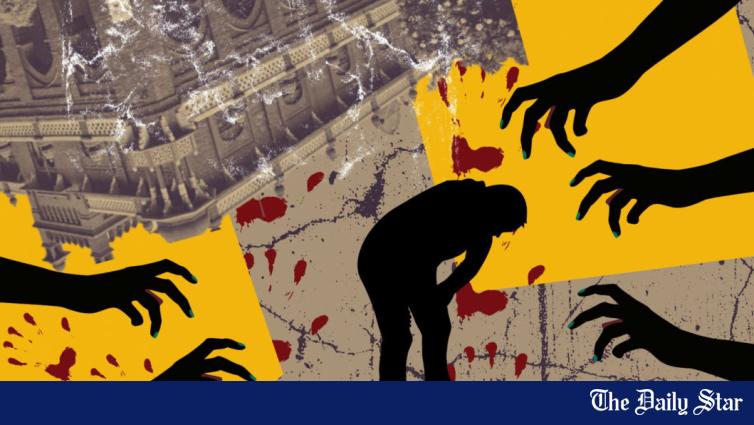
Speakers at a recent discussion in Bangladesh warned of a shift from the previous regime’s “state fascism” to a new form dubbed “popular fascism”, where social media mobs influence justice, instilling fear among the populace. Organized by the Bangladesh Research Analysis and Information Network (BRAIN), the event highlighted that the interim government has maintained the old governance structures, risking political instability.
Economist Zia Hasan noted that while the authoritarianism of the past has collapsed, the fear and division it created pave the way for “popular fascism,” worsening societal dynamics, particularly with an “extreme anti-India sentiment.” He advocated for establishing a Truth and Reconciliation Commission to heal national wounds.
Prof. Samina Luthfa of Dhaka University criticized the political parties’ appalling treatment of women, who received minimal nominations, thus excluding them from decision-making. She lamented the culture of revenge replacing justice and raised concerns over academic freedom being threatened by mob pressures.
Other speakers warned that “mob politics” could become a tool for silencing dissent, with a dangerous retreat from necessary reforms due to fears of online backlash. Prof. Sayeed Ferdous criticized the interim administration for being submissive to powerful factions and perpetuating partisanship. Activists expressed concerns over the potential for long-term instability if social issues and job creation remain unaddressed.
Overall, the discussion underscored a grim outlook on governance and social justice in Bangladesh, reflecting deep-rooted challenges in achieving a functioning democracy.
