



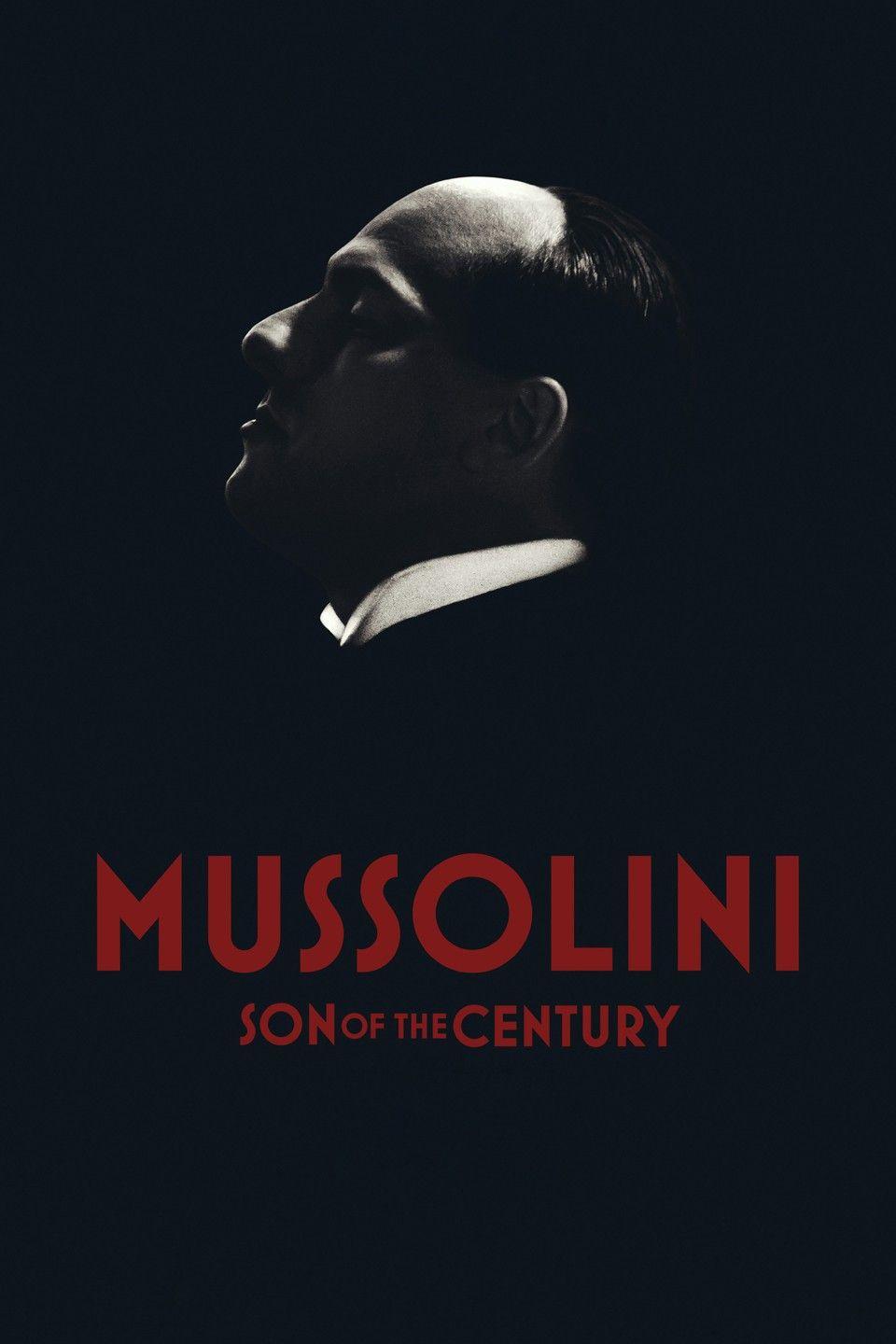
Tim Brinkhof critiques Joe Wright’s 2025 miniseries “Mussolini: Son of the Century,” describing it as a flawed portrayal of fascism’s rise in Italy. The show, based on Antonio Scurati’s novel, uniquely blends historical drama with experimental elements, including a soundtrack that juxtaposes hardcore techno with classic rock and characters that address the audience directly. While both “Son of the Century” and the 2017 Russian series “Trotsky” aim for greater depth than traditional historical narratives, Brinkhof argues that they often exaggerate their subjects’ personas, making them larger-than-life figures rather than accurately reflective of historical reality.
Despite some authenticity rooted in historical documents, the series contains factual errors and simplifies the complexities of fascism and Mussolini’s ascent to power. Critics highlight that the portrayal reinforces a narrative that downplays the broader support Mussolini received, including from military and economic elites. Historical scholars cite that Mussolini’s regime cannot be reduced to mere opportunism; rather, it was founded on ideological conviction and public support.
Brinkhof notes that current political discourses shape modern interpretations of such figures, evidenced by how the series seeks to seduce audiences into understanding Mussolini as a charismatic leader despite his oppressive actions. The article emphasizes the necessity for context and critical engagement with historical narratives, arguing that “Son of the Century” risks romanticizing a period that continues to influence contemporary politics in Italy. Overall, the series raises questions about the ethical representation of historical figures and events in popular media.
