



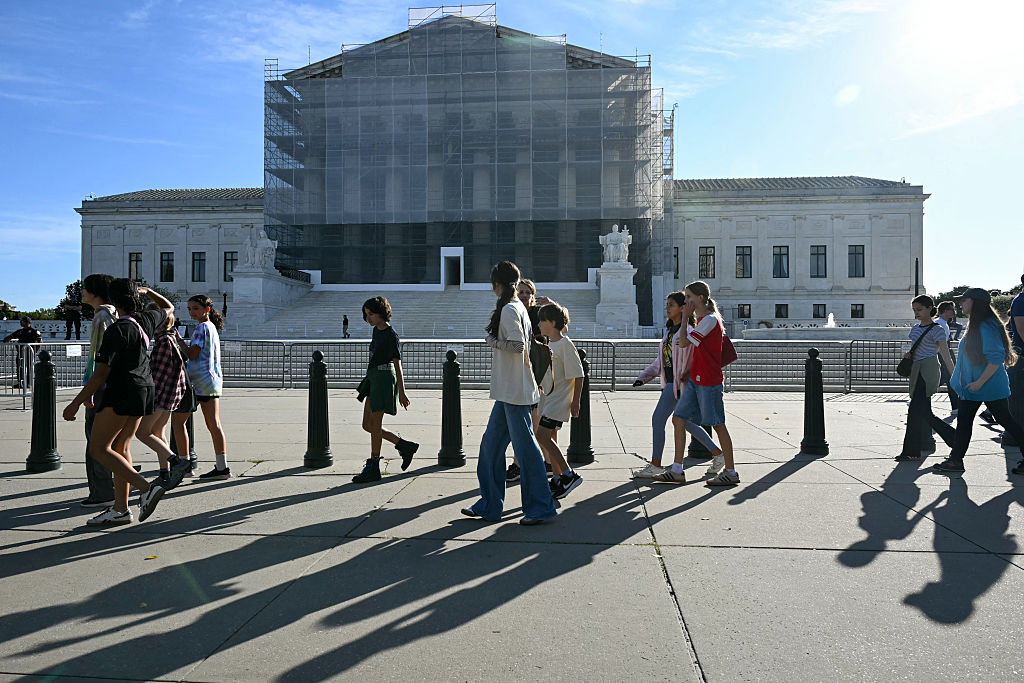
The 2025-2026 Supreme Court term has begun, focusing on significant issues regarding presidential authority and the balance of power among the government’s branches. Key cases include Trump v. Slaughter, which will address the president’s ability to fire independent agency members, exemplified by Trump’s attempts to dismiss Federal Reserve Governor Lisa Cook, who he accused of mortgage fraud.
Another critical case is Louisiana v. Callais, which revisits the establishment of a second majority-Black congressional district, echoing historical challenges to Black political power since the Voting Rights Act of 1965. The term will also cover environmental accountability and LGBTQ rights, with cases like Chiles v. Salazar examining Colorado’s ban on conversion therapy.
The Court’s use of its emergency docket, dubbed the shadow docket, poses further concerns, allowing decisions that can significantly impact communities, such as profiling individuals assumed to be undocumented. Critics argue that the Court may prioritize fascism over the rights of the populace. The outcome of these cases could determine whether the Supreme Court acts in the interest of Trump or the people, with profound implications for American democracy.
