



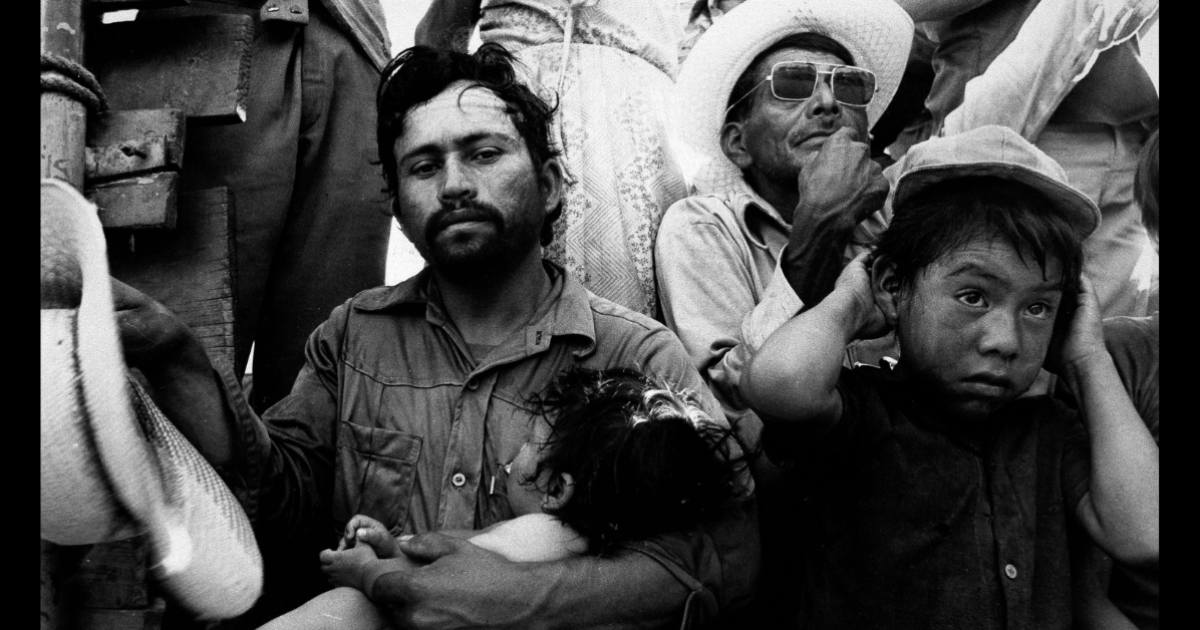
The article recounts the traumatic experiences of Salvadorans, detailing how many fled their homeland due to violence and oppression during a brutal 11-year civil war, alongside systemic targeting of Black and Brown communities in the U.S. It discusses the origin of gangs like MS-13, formed partly from deported refugees with military training, highlighting the U.S.’s role in exacerbating instability in Central America.
Many argue that U.S. involvement has historically destabilized Latin America while exploiting its resources. The text addresses criticisms of the current U.S. regime, specifically under Trump, describing agencies like ICE as oppressive entities contributing to fear among immigrant communities. It also critiques El Salvador’s current leadership under President Nayib Bukele, labeling it as indicative of broader issues of fascism, autocracy, and undemocratic regimes.
The narrative underscores an ongoing cycle of violence and migration linked to U.S. foreign policies, calling for accountability from the U.S. and emphasizing the deep scars left on communities affected by these actions.
