



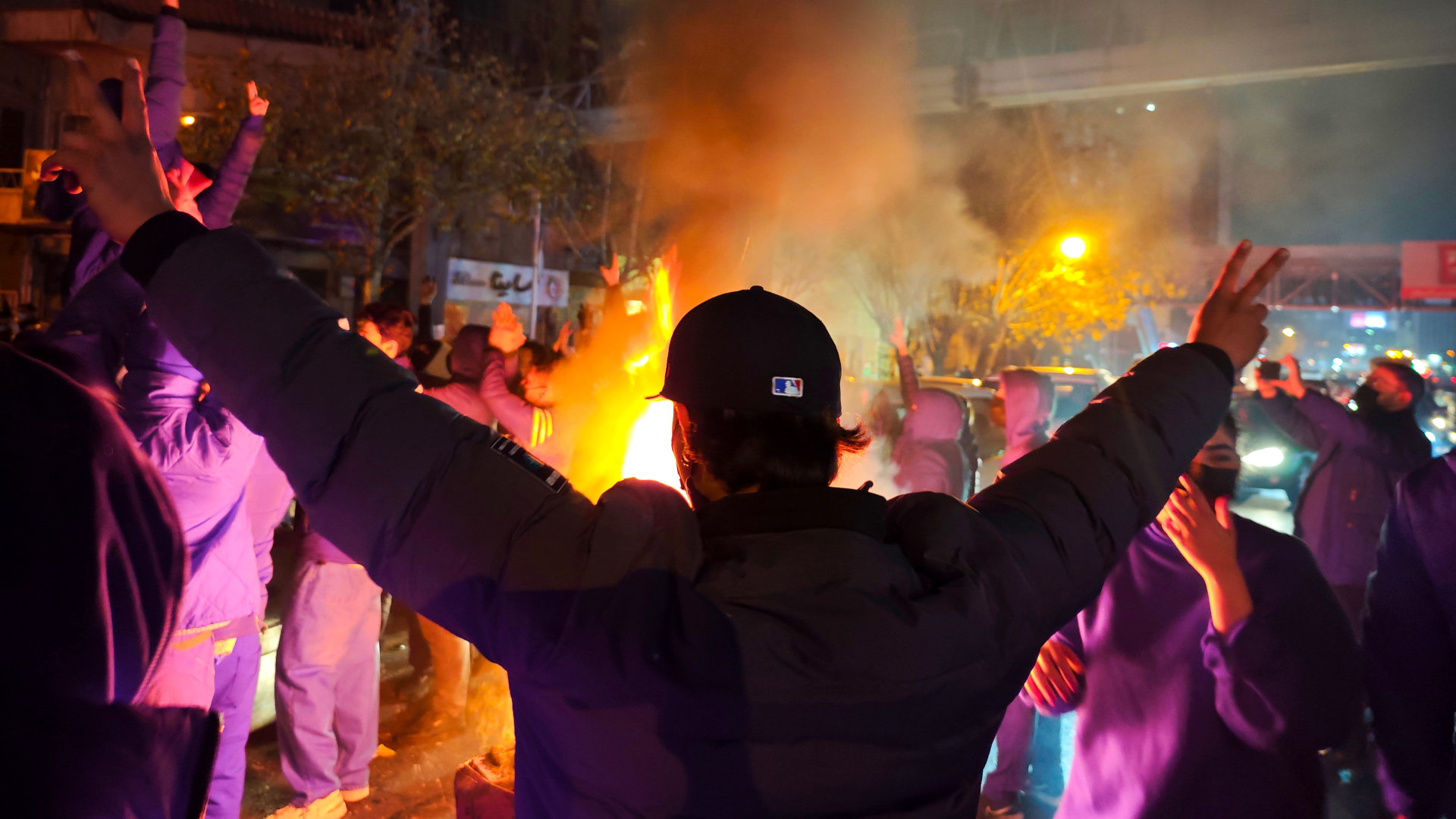
The ongoing anti-government protests in Iran, driven by economic collapse and political repression, are also significantly fueled by severe ecological disasters. The government’s neglect of environmental science and its prioritization of corrupt development projects have led to a catastrophic water crisis.
Tehran’s sinking city threatens mass evacuations, while Lake Urmia’s volume has diminished drastically and the Zayandeh River remains dry. Wildfires have ravaged forests, and state-led water diversion has exacerbated ethnic tensions in regions like Khuzestan. Citizens connect these environmental injustices to broader political grievances, highlighting how ecological issues intertwine with economic and social struggles.
Protesters have expressed that water shortages and political control over resources deepen societal divides. These environmental crises have become crucial drivers of unrest, as daily life deteriorates with power outages and rationed water supplies.
Historical government practices since the 1979 revolution, including the rise of a “water mafia,” have compounded these issues, leading to cracking infrastructure and failing reservoirs. Activist repression further underscores the link between environmental protection and the state’s repressive security measures, as many environmentalists have faced persecution for raising alarms about ecological disasters.
Experts draw parallels between Iran and other regions facing similar crises, emphasizing that poor resource management and environmental degradation raise fundamental questions about governance and regime legitimacy.
