



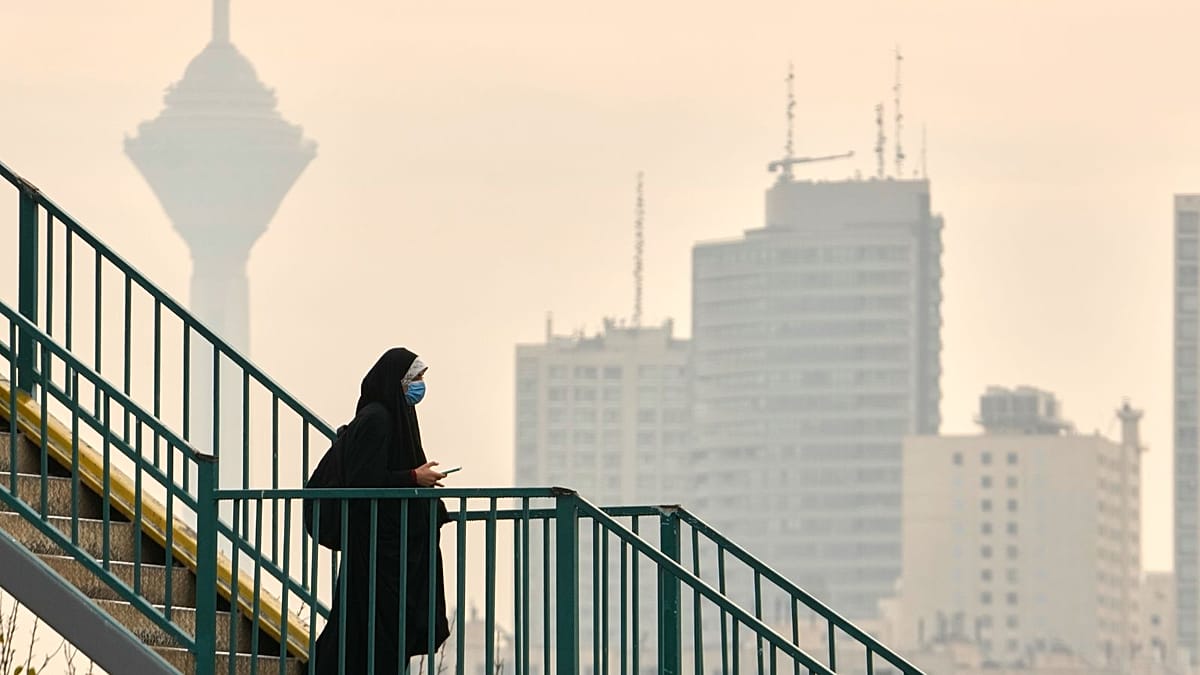
The 2026 protests in Iran are driven by a combination of severe environmental crises, economic struggles, and widespread political discontent. Long-standing issues like planned cuts to water and electricity, persistent air pollution, and a surge in living costs have exacerbated the situation, as both the middle class and the poor find their lives increasingly threatened.
Environmental factors have become central in this unrest, with extreme land subsidence affecting major cities like Isfahan and Tehran—where the ground is sinking at alarming rates—leading to physical damage to cultural landmarks and even uninhabitable areas. Water insecurity worsens as aquifers face a deficit of 130 billion cubic meters, driven by unsustainable agriculture and industrial demands.
Air quality is deteriorating, with Iranians exposed to toxic pollution from burning low-quality fuels due to a gas shortage. Cities often experience fewer than five clean air days annually, contributing to nearly 30,000 annual deaths from pollution. The loss of biodiversity, particularly in the Zagros mountain range, raises concerns about food security, as soil degradation accelerates at three times the global average.
As water tensions rise among provinces, urban residents face rationing and declining water quality, eroding trust in authorities. Energy shortages exacerbate challenges, with power cuts disrupting daily life and contributing to rising unemployment. This combination of ecological bankruptcy and class erosion is pushing many Iranians into poverty and has hurt the middle class.
Despite the potential for resolving the climate crisis through international collaboration, the Iranian government maintains a paradoxical approach, prioritizing ideological goals over necessary reforms and investments. The protests represent a shift, as demonstrators advocate not just for basic needs but for the fundamental right to live in a sustainable environment. The survival struggle in Iran is now intertwined with a fight for existence against an increasingly hostile geography, underscoring the urgent need for change.
