



The article emphasizes growing discontent among Americans regarding oligarchs, notably focusing on Elon Musk’s role in the Trump administration. Recent developments, including Musk’s potential resignation from his government duties and his heavy financial involvement in a failed Wisconsin judge election, reflect a broader backlash against wealthy individuals influencing politics for personal gain.
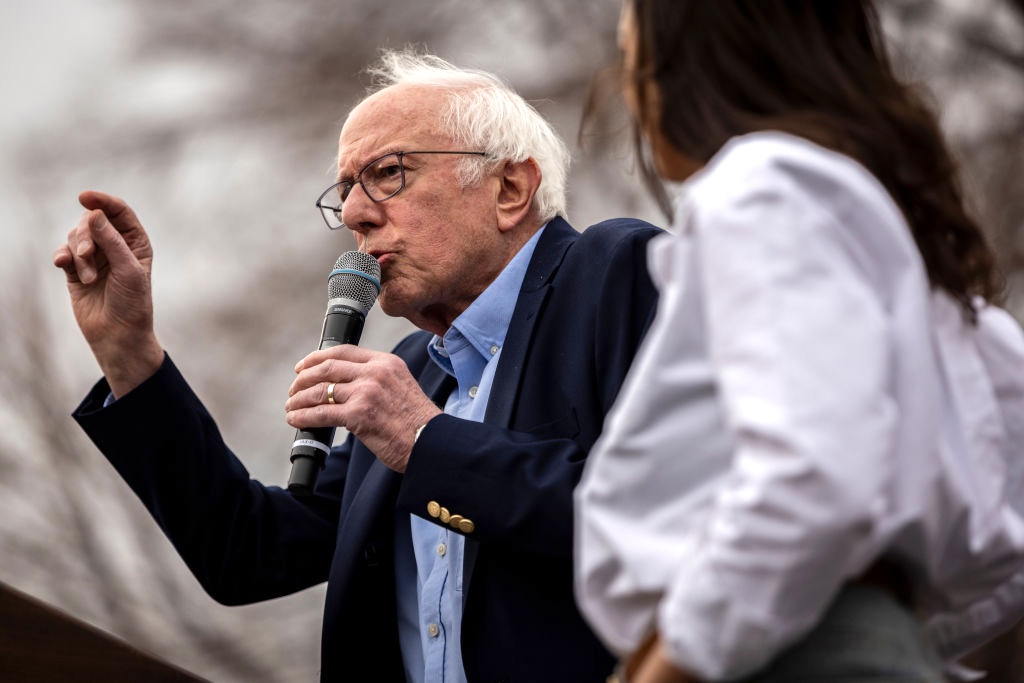
Polls show significant disapproval of Musk, and Senator Bernie Sanders has gained traction with his “Fighting Oligarchy” tour, resonating with crowds across various states. These sentiments have even emerged at town halls held by Republican congressmembers, where constituents express strong anti-oligarchy views.
Protests against Musk and his initiatives, such as the Department of Government Efficiency (DOGE), have affected Tesla’s business, hinting at a shift in public opinion against billionaire influence in politics. The article argues that while Musk’s departure will be celebrated, the underlying oligarchic structure of the Trump administration remains, with an array of billionaires still holding power. It calls for continuing the anti-oligarchic movement to address the pervasive issues related to wealth inequality and the undermining of government programs that aid everyday Americans.
The framing of the administration as an oligarchy has proven unifying for dissenters and is expected to mobilize large-scale protests across the nation. The piece advocates maintaining the focus on “oligarchy” as an effective narrative for mobilization post-Musk.
