



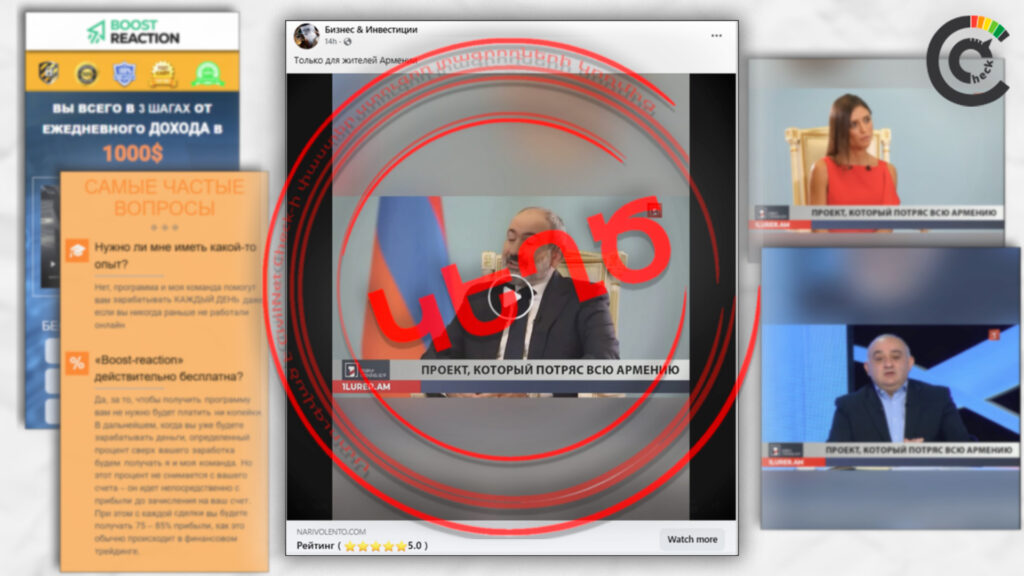
The article discusses the growing threat of disinformation globally, particularly as it pertains to national security. A recent incident involved a claim that Georgian authorities found hundreds of thousands of fake Armenian passports printed in Turkey, which was shared by a former Armenian Minister of Justice. The story, which suggested these passports were meant to falsify the upcoming 2026 parliamentary elections, was confirmed as fabricated by Armenia’s Fact-Checking Platform after contacting Georgian officials.
As Armenia approaches an election period, such instances of disinformation are expected to increase, particularly from Russia, which aims to influence election outcomes against Prime Minister Pashinyan’s government. Though Armenia is a democratic nation with no restrictions on online speech, this freedom allows for the unchecked spread of propaganda and misleading information. The rise of artificial intelligence further complicates matters, blurring the lines between reality and fabrication.
The impact of these disinformation campaigns on election results will depend largely on the public’s ability to discern truth from falsehood. Independent media and civil society organizations play a crucial role in educating the public, thus safeguarding electoral integrity.
