



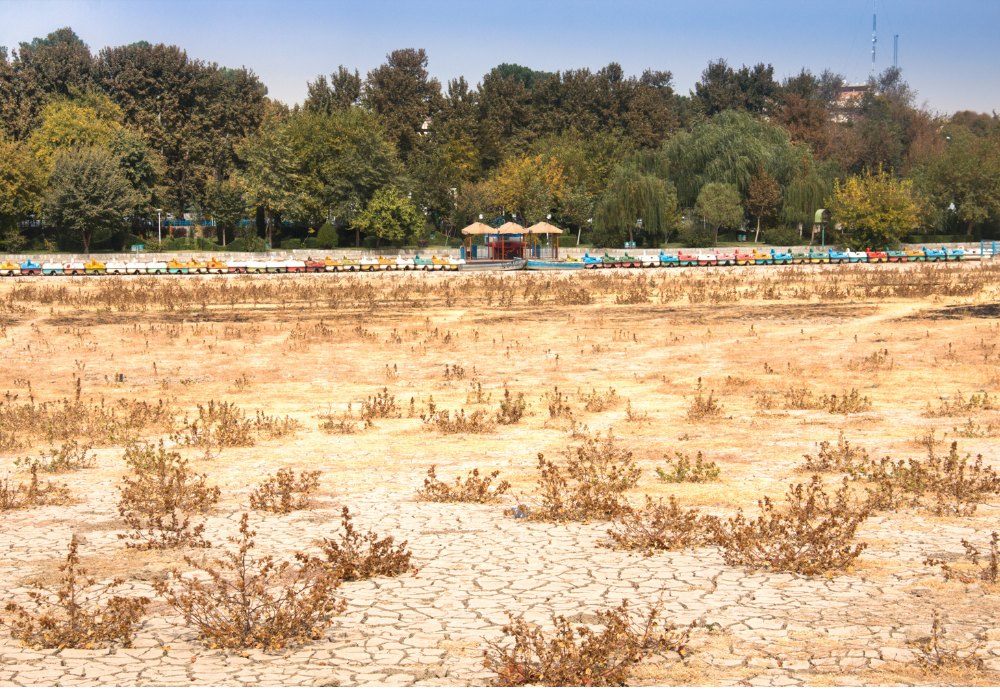
Iranians attribute their environmental crises to a repressive government, which many experts believe exacerbates economic and political grievances. Eric Lob, a scholar at the Carnegie Middle East Program, emphasizes that environmental issues are deeply intertwined with economic struggles, impacting water supply and agricultural viability. The mismanagement of water resources has resulted in severe air and water pollution, leading to premature deaths and heightened anxiety over essential supplies. Protest movements against water shortages, particularly in regions like Khuzestan, reflect broader dissatisfaction with government policies perceived to favor urban centers over marginalized areas.
Recent protests, the largest in years, have been met with violent government crackdowns and communication blackouts. The state’s history of prioritizing political gain over environmental sustainability has contributed to severe infrastructure issues. Repression extends to scientists and activists attempting to address these ecological challenges, highlighting the dangerous intertwining of environmental action and state control. Despite the global nature of such environmental issues, in Iran, they are exacerbated by decades of poor governance, inefficient agriculture, and systemic corruption, leading to calls for significant reform and accountability.
