



A majority of the world’s population supports climate change policies, yet climate disinformation persists, particularly online. A report by Climate Action Against Disinformation (CAAD) highlights a substantial rise in disinformation leading up to COP30, largely fueled by entities resisting climate action.
The report notes that while 87% of people globally back climate change policies, disinformation breeds skepticism. It distinguishes between misinformation, which is presented as fact but may be false or out of context, and disinformation, which is intentionally deceptive. CAAD found a 267% increase in COP-related disinformation from July to September, with 14,000 examples identified online, including a fake video featuring a fictional reporter in a flooded city.
Brazilian Telegram groups devoted to conspiracy theories frequently mention COP30, with over 285 comments attacking the conference and climate solutions. Prominent figures, such as former President Donald Trump, also propagate climate disinformation, labeling it a “big con job.”
Main contributors to climate disinformation include fossil fuel companies and large-scale agriculture (termed “Big Carbon”), which aim to undermine public understanding of scientific consensus on climate change. The report criticizes tech companies for enabling the spread of such disinformation through social media platforms. Previous CAAD reports noted fossil fuel companies spending millions on disinformation ads, especially on platforms like Facebook.
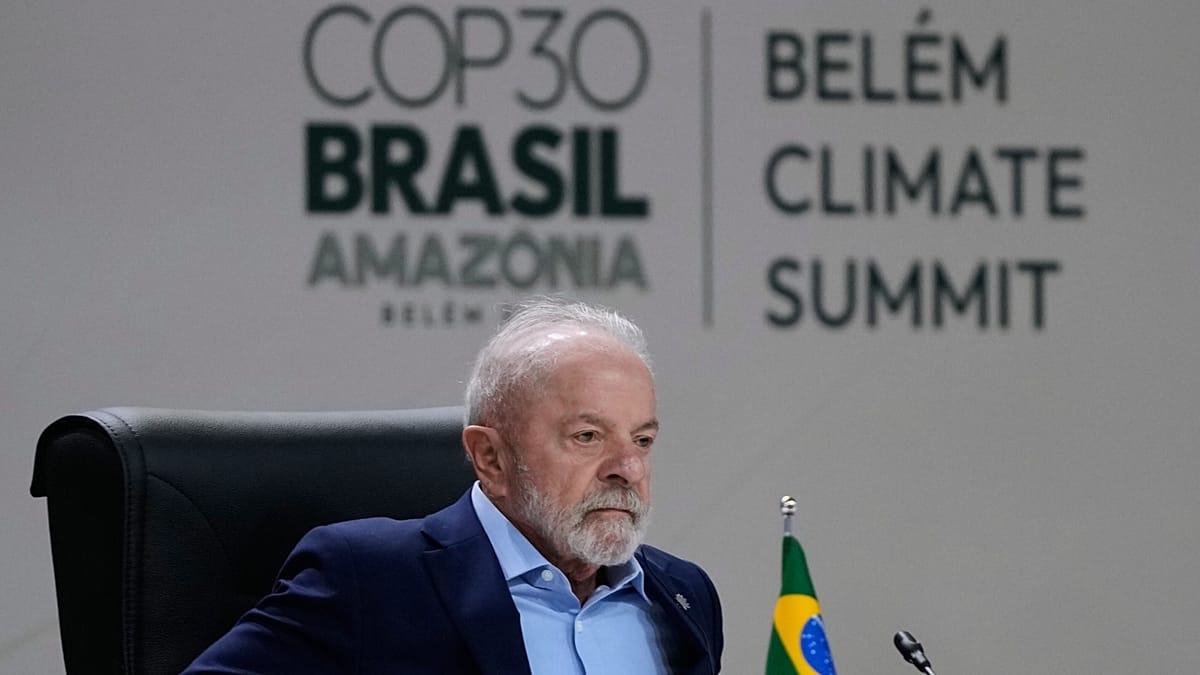
COP30 will address climate disinformation in a new initiative involving the Brazilian government, the UN, and UNESCO. Leaders, including Brazilian President Lula and French President Macron, have condemned the threats posed by disinformation to democracy and climate action. UN Secretary-General António Guterres criticized corporations profiting from climate devastation and highlighted the obstruction of progress due to entrenched interests.
