



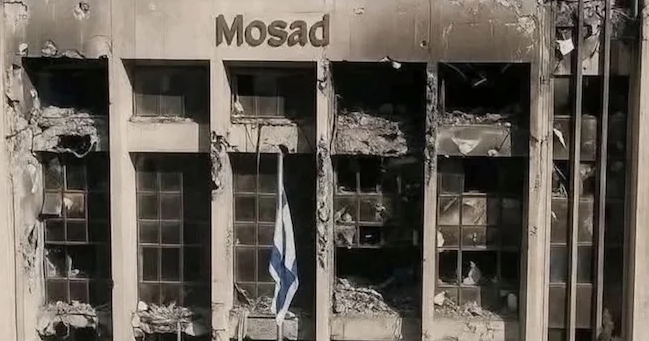
The study “Ballistic Fakes: Disinformation and Fact-Checking Efforts during the Israel-Iran War” examined fact-checking activities in 23 countries, highlighting organizations like Misbar in Jordan, AFP in France, Newschecker in India, and Teyit in Turkey. It found that 72% of disinformation served Iranian strategic narratives, while 24% supported Israel, with video content making up 85% of the disinformation analyzed. A significant portion of the misleading content was outdated (82%), geographically misattributed (68%), and framed contextually false (77%).
The report emphasized that 71% of fact-checked items were false connections or decontextualized content, misrepresenting genuine material. Examples included mischaracterized protests and altered images of events unrelated to the conflict. Generative AI accounted for 20% of the fact-checked items, with fabricated visuals depicting various scenarios, while 15% constituted entirely fabricated claims. Notably, 44% of disinformation centered on physical damage to infrastructure, featuring false reports of missile strikes and explosions, such as a bogus attack on the Fordow nuclear site.
