


A recent photo of Sobita Gautam, candidate for the Rastriya Swatantra Party in Chitwan, went viral with claims labeling her as an “American agent,” but a fact-check confirmed it was misleading and taken during a public event. Similarly, manipulated images of Nepali Congress candidate Gagan Kumar Thapa, purportedly showing him chased away by the public, were found to be AI-generated.
These instances highlight the increasing spread of misinformation as Nepal prepares for parliamentary elections on March 5, 2026, following the ousting of the KP Oli-led government. Experts warn that misinformation threatens electoral integrity, with political actors exploiting it to undermine opponents and influence public perception.
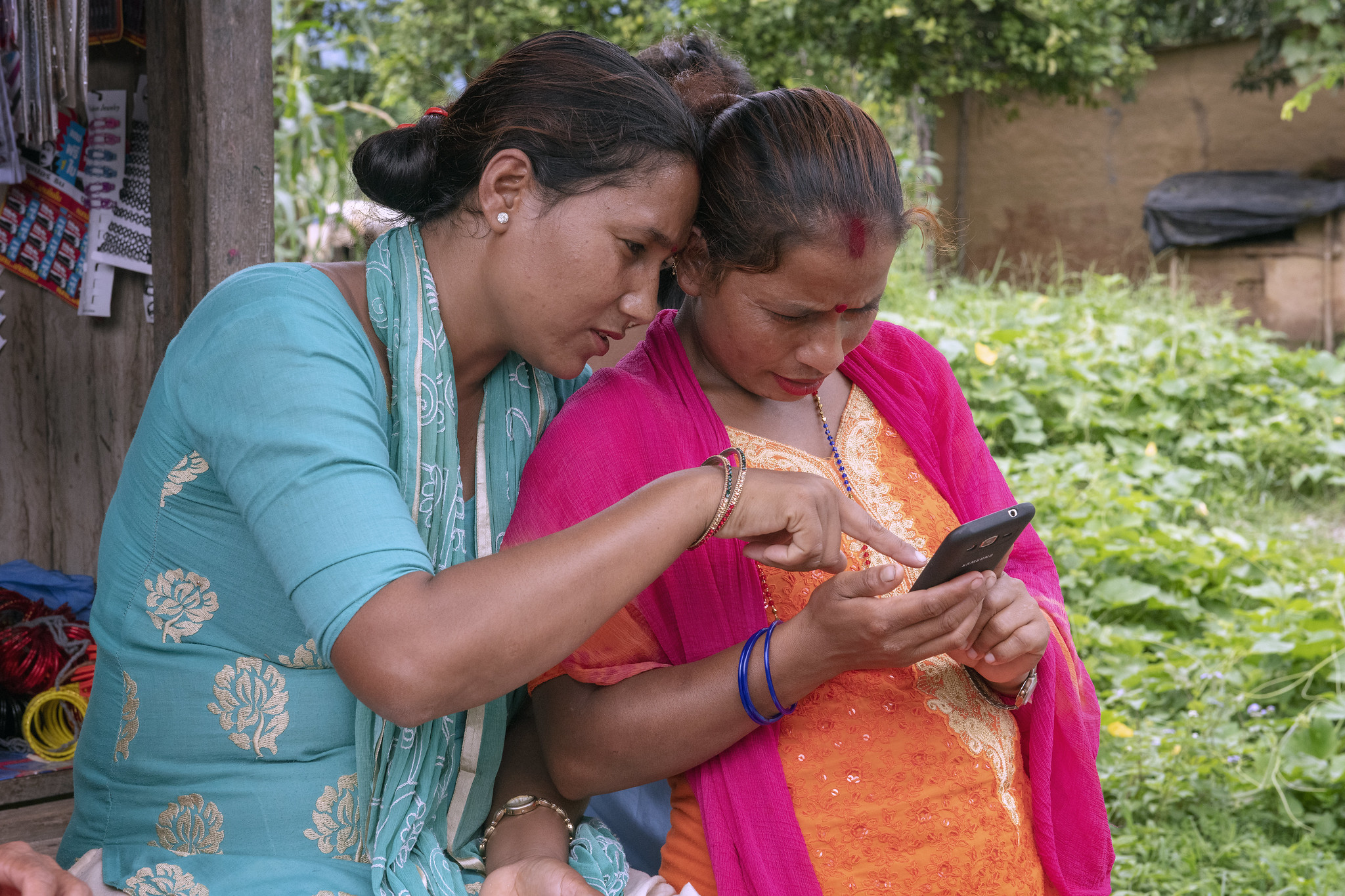
With rapid smartphone usage at 73% and over 95% of internet users encountering false information, AI technology complicates the issue further. The Election Commission of Nepal is actively monitoring violations of electoral code, having identified 302 cases of misinformation and initiating penalties. Combating misinformation requires a collective effort, with calls for stronger regulatory measures alongside media responsibility.
