


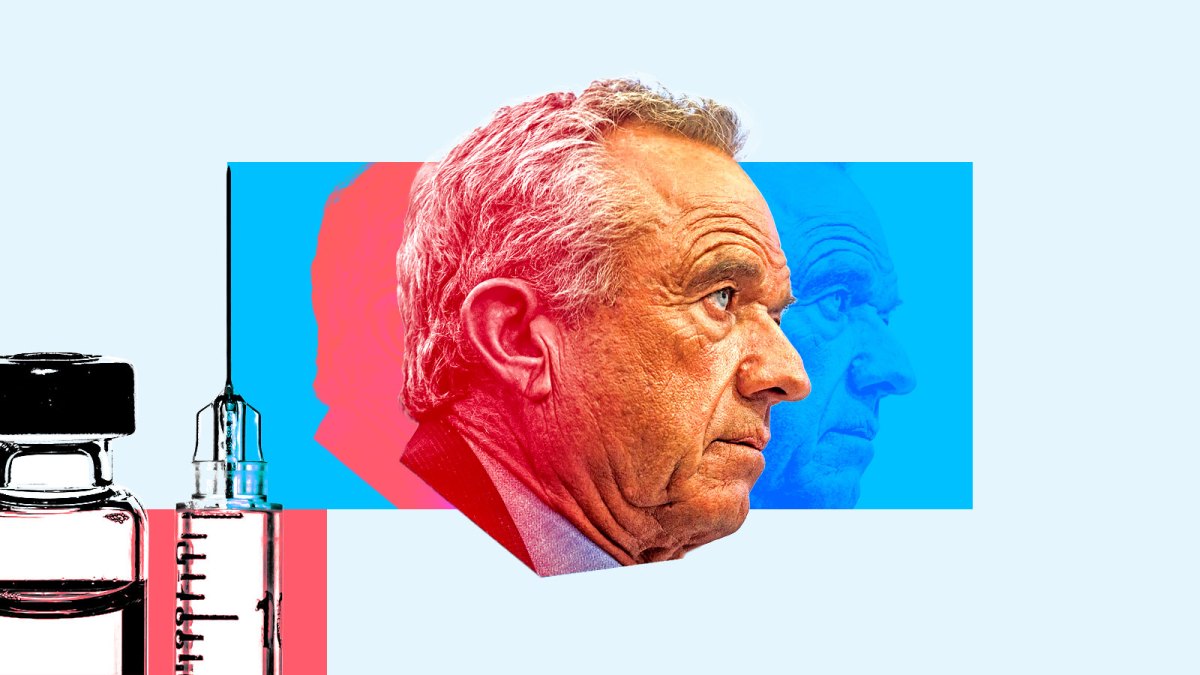
At the CDC’s Building 21 in Atlanta, employees have adopted cautious behaviors to navigate a tense atmosphere following significant staffing changes initiated by Health Secretary Robert F. Kennedy Jr. Since his appointment in February, over 10,000 employees have been dismissed, creating a climate of fear and insecurity. Current and former staff describe an environment reminiscent of Nineteen Eighty-four, where Zoom meetings are avoided due to concerns of surveillance, and notes are taken by hand to evade digital tracking.
Kennedy’s administration is viewed as chaotic and detrimental, disrupting long-standing health priorities and scientific norms. Key programs aimed at chronic disease prevention have been canceled, while new layers of bureaucracy have slowed grant processes, contradicting the stated goal of improving efficiency. Critics express concern that the administration’s focus on reform is leading to dysfunction and could ultimately harm public health.
Kennedy’s controversial overhaul of vaccine policies—marked by the dismissal of advisory committee members—has sparked alarm among experts who fear it could politicize vaccine access. With initiatives like the proposed “Generation Gold Standard” aimed at developing older vaccine technologies, insiders worry about the future of American health initiatives and ongoing projects, such as the CDC’s lead-poisoning prevention program, which has faced abrupt closures without explanation.
As the situation unfolds, a sense of uncertainty persists among remaining staff, many of whom feel demoralized and disconnected from the mission of public health. They fear that both current and future policies driven by this administration will detrimentally affect both Americans and global health outcomes.
