



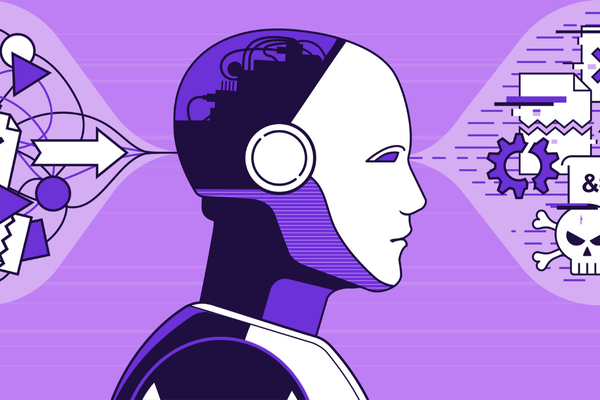
The rise of generative AI (GenAI) is significantly increasing the risk of disinformation for organizations, affecting both internal and external communications. Disinformation attacks utilize tactics like deepfakes and impersonation, leading to cybersecurity breaches, reputational damage, and loss of trust. A Gartner survey indicated that 36% of organizations faced social engineering attacks involving deepfakes.
CISOs need to prioritize disinformation as a critical business risk rather than treating it as a technical or PR issue. A collaborative, structured approach is essential to address this challenge. Key strategies include establishing governance with leaders across departments, enhancing internal security measures against deepfake attacks, and collaborating with communications teams to manage external reputational risks.
Success metrics such as detection and response times, security awareness training effectiveness, and brand trust scores are crucial for evaluating the effectiveness of disinformation security measures. Ultimately, combating AI-driven disinformation is a collective organizational effort that requires a culture of shared responsibility, emphasizing collaboration, proactive measures, and continuous improvement. CISOs should lead this initiative to protect their organizations amid evolving threats.
