


In January 2023, researchers reached out to school principals and science teachers in northern Italian provinces to recruit high school students for a study aimed at combating misinformation and disinformation. Initially targeting around 1,000 students, the project attracted interest from several schools, leading to the recruitment of approximately 2,300 students.
The study employed a between-subject experimental design, which included three treatment groups (Civic Online Reasoning – COR, Cognitive Biases – CB, and Inoculation – INOC) and a control group. Each group received specific lectures aimed at helping students recognize and resist misinformation. The COR group focused on techniques for sourcing information, the INOC group aimed to build resilience against misleading arguments, and the CB group highlighted cognitive biases that affect judgments about online information.
Each student participated in two lectures and completed accuracy tests to assess their ability to identify disinformation. The first test occurred after the initial lecture, while the follow-up lecture occurred one to four weeks later. Data were collected on students’ demographics, online habits, and their familiarity with sources to understand influence on their evaluations.
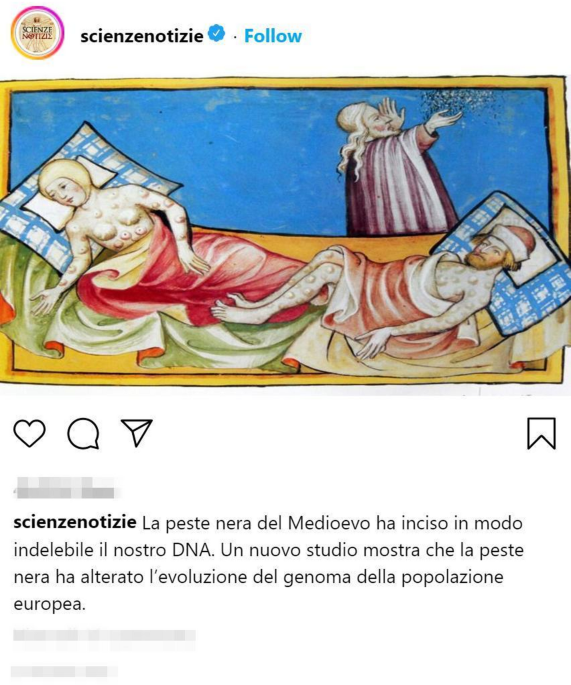
The study design was pre-registered on the Open Science Framework, and all analyses adhered to rigorous standards outlined in the protocol. Various accuracy measures for evaluating the scientific validity of Instagram posts were developed, with strict criteria for categorizing posts as scientifically valid or invalid.
Data collection involved 19 different educational institutions and resulted in a robust dataset of evaluations. Analytic procedures were applied to assess treatment effects on accuracy scores, with adjustments made for multiple comparisons.
