



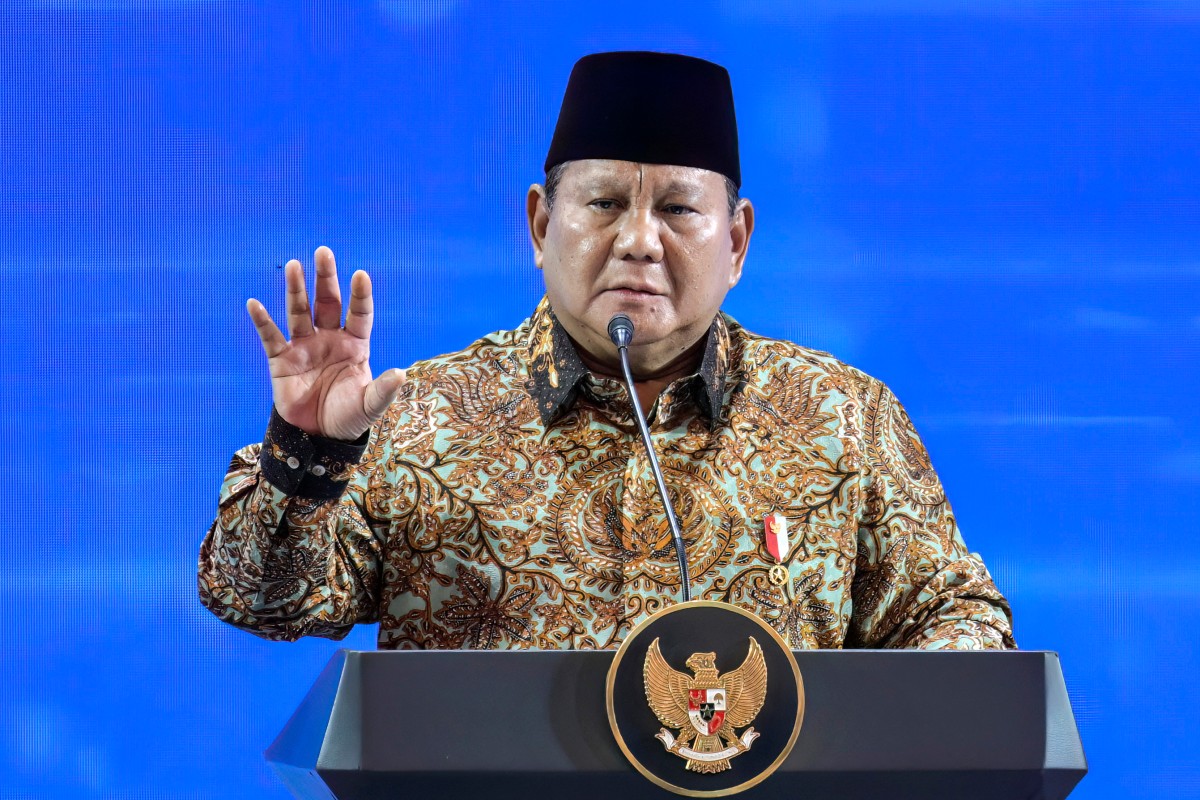
The Indonesian government is drafting new regulations to combat disinformation and foreign propaganda, following President Prabowo Subianto’s directive. Coordinating Minister Yusril Ihza Mahendra emphasized the necessity for such measures, pointing to existing global legislation that addresses these issues. The proposed law, still under study, aims to create a systematic approach rather than targeting individuals, focusing instead on the broader information ecosystem across digital and non-digital platforms.
The draft manuscript suggests administrative penalties for negligent platforms and criminal punishments for disinformation that causes public unrest. It stresses that criminal sanctions should be a last resort, prioritizing public corrections and digital literacy.
Rights groups have raised concerns, stating the plan could infringe on freedom of expression, giving officials excessive power to control information and suppress dissent. They argue the bill’s drafting process lacks transparency and may replicate existing laws, heightening the risk of censorship. Digital rights advocate Wahyudi Djafar criticized the reliance on outdated legal models and underscored that Indonesia already possesses legal frameworks to deal with disinformation.
State Secretary Prasetyo Hadi noted that the bill is in early planning stages, maintaining its objective is to ensure accountability for content rather than restrict public access to information.
